
The Therapy NASA Funded That Most GPs Still Haven’t Heard Of
Last Updated::
Most people encounter PEMF therapy one of two ways: either through a physiotherapist who mentions it almost in passing, or through a late-night internet rabbit hole that ends somewhere between “this cures everything” and “this is pseudoscience.” Neither is particularly useful.
The truth sits in a more interesting place. Pulsed electromagnetic field therapy has a legitimate and growing clinical evidence base — one that NASA took seriously enough to fund research in the 1990s, that the FDA has cleared for specific indications, and that an increasing number of peer-reviewed systematic reviews are now documenting rigorously. It also has a wellness industry that routinely overpromises, muddies the evidence, and makes the job of evaluating the science harder than it needs to be.
This guide cuts through both. What follows is a condition-by-condition breakdown of what PEMF is, what the current science supports, which frequencies appear most relevant for each application, and — critically — where the evidence is strong versus where it is still emerging.
What PEMF Actually Does at a Biological Level
Before condition-specific evidence is meaningful, the underlying mechanism matters.
PEMF devices generate time-varying magnetic fields that penetrate biological tissue without attenuation — unlike electrical stimulation, which requires skin contact and faces impedance barriers. These oscillating fields induce weak electrical currents in cells, stimulating ion channel activity, modulating cellular membrane potential, and influencing the electrochemical environment at the cellular level.
The downstream effects that researchers have consistently documented include: upregulation of anti-inflammatory cytokines, stimulation of mitochondrial activity and ATP synthesis, increased nitric oxide production (relevant to circulation and wound healing), modulation of the hypothalamic-pituitary-adrenal (HPA) axis, and influence on calcium ion transport — a mechanism with implications across bone, nerve, and muscle tissue.
Critically, frequency matters. Different biological processes respond to different oscillation rates, which is why clinical protocols for bone healing look nothing like protocols for anxiety management. The following sections address this specificity.
Musculoskeletal Conditions
Arthritis (Osteoarthritis)
Recommended frequency range: 7.83 – 15 Hz
Osteoarthritis represents arguably the most evidence-rich application for PEMF therapy in clinical literature. A 2024 systematic review published in PMC following PRISMA guidelines — drawing on randomised controlled trials from 2001 to 2023 — found notable improvements in pain scores across studied populations, with an overall mean treatment effect of −0.73 on the visual analog scale (VAS). Across reviewed trials, 26% of patients in PEMF groups showed reduced medication usage alongside improvements in quality of life and pain threshold.
A separate meta-analysis published in BMJ Open evaluated the efficacy and safety of PEMF in osteoarthritis across multiple anatomical sites and confirmed clinically significant pain reduction as a consistent finding.
The Schumann resonance frequency of 7.83 Hz appears in multiple protocols for inflammatory joint conditions, with the hypothesis that this frequency — matching the Earth’s natural electromagnetic resonance — has particular affinity with biological rhythms. While this remains a working hypothesis rather than an established mechanism, the clinical outcomes in this frequency range are well documented.
Reference: Current Evidence Using Pulsed Electromagnetic Fields in Osteoarthritis, PMC/MDPI, 2024; Wu et al., BMJ Open, 2018.
Osteoporosis
Recommended frequency: 30 Hz
Bone represents one of the earliest and best-understood clinical applications for PEMF, with a history dating to Bassett and colleagues’ foundational work in the 1970s — work that eventually led to FDA clearance for PEMF devices in non-union fracture treatment and spinal fusion applications.
The mechanism is relatively well-characterised: electromagnetic fields stimulate osteoblast activity and appear to modulate the RANK/RANKL pathway involved in bone remodelling. Animal studies have consistently demonstrated enhanced bone mineral density and accelerated fracture healing under PEMF exposure.
Specifically, osteoporosis: 30 Hz falls within a frequency range associated with osteogenic stimulation. Clinical applications focus on both fracture risk reduction in established osteoporosis and as an adjunct to pharmacological treatment in post-menopausal bone loss.
Reference: Bone Research Journal, 2019; Bassett et al., foundational work; FDA clearance documentation for non-union fractures.
Chronic Pain and Low Back Pain
Recommended frequency: 10 Hz
Chronic pain represents the single largest clinical burden globally, and PEMF’s influence on pain signalling pathways has attracted considerable research attention.
A 2023 systematic review from the Medical University of Vienna, published in Wiener Medizinische Wochenschrift, examined nine randomised controlled trials involving 420 participants with non-specific low back pain. The review found a consistent tendency toward pain intensity reduction in PEMF groups relative to placebo, with improvements also observed in physical function. The authors noted heterogeneity in treatment protocols across studies — a recurring limitation in PEMF research — while affirming the direction of evidence.
A complementary systematic review in ScienceDirect evaluated six eligible studies using PEDro scale methodology and found effect sizes indicating clinically meaningful pain reduction, concluding that PEMF appears able to relieve pain intensity and improve functionality in low back pain populations.
At 10 Hz, PEMF appears to influence endogenous opioid pathways and reduce pro-inflammatory cytokine expression — a dual mechanism relevant to both nociceptive and inflammatory pain.
Reference: Kull et al., Wiener Medizinische Wochenschrift, 2023; ScienceDirect systematic review, 2016; Pain Management Journal, 2021.
Fibromyalgia
Recommended frequency: 10 Hz
Fibromyalgia presents a particular clinical challenge: widespread musculoskeletal pain without clear structural pathology, complicated by sleep disruption, cognitive symptoms, and autonomic nervous system dysregulation. This multi-system profile makes PEMF’s broad biological influence — spanning pain pathways, sleep architecture, and HPA axis activity — especially relevant.
Clinical studies have documented reductions in tender point counts, pain intensity scores, and fatigue measures in fibromyalgia patients receiving PEMF therapy. The 10 Hz frequency range targets central sensitisation mechanisms, which are increasingly understood as central to fibromyalgia pathophysiology rather than peripheral tissue damage.
Reference: Journal of Pain Research, 2020.
Wound Healing
Recommended frequency: 50 Hz
One of the more striking findings in PEMF clinical literature involves wound healing. A clinical study by Heden and Pilla found that PEMF therapy reduced pressure ulcer size by up to 84% compared to 40% in control subjects — a finding with significant implications for chronic wound management, post-surgical recovery, and diabetic ulcer treatment.
The mechanisms are multiple: increased nitric oxide production promoting vasodilation and angiogenesis, enhanced fibroblast proliferation, accelerated collagen synthesis, and reduced inflammatory mediator expression. Research from Yuan et al. (2024) published in Scientific Reports demonstrated PEMF’s ability to stimulate angiogenesis and enhance microvascular circulation — directly relevant to wound bed preparation and healing.
Higher frequencies in the 50 Hz range appear particularly relevant for tissue repair applications, where cellular proliferation signals are the target.
Reference: Heden & Pilla clinical study; Yuan et al., Scientific Reports, 2024; Journal of Tissue Repair, 2022.
Neurological Conditions
Parkinson’s Disease
Recommended frequency: 20 Hz
Neurological applications of PEMF are among the most actively researched frontiers in the field. Preclinical models have reported improved cerebral blood flow and reduced neuroinflammation with PEMF exposure — findings with direct relevance to neurodegenerative conditions characterised by dopaminergic pathway deterioration and chronic neuroinflammation.
In Parkinson’s disease, PEMF research has focused on neuroprotective mechanisms: reducing oxidative stress in the substantia nigra, modulating neuroinflammatory cascades, and exploring whether electromagnetic stimulation can support motor pathway function. While this evidence base is still maturing and PEMF should not be positioned as a primary treatment for Parkinson’s, the preclinical and early clinical data support its investigation as a complementary modality.
Reference: Strauch et al., Int J Mol Sci, 2023; Neurology Today, 2021.
Mental Health and Neuropsychiatric Applications
Depression
Recommended frequency: 14 Hz
The relationship between electromagnetic fields and mood regulation has mechanistic grounding in PEMF’s influence on neurotransmitter systems and HPA axis activity. Research has documented PEMF-associated changes in serotonin receptor expression, cortisol regulation, and prefrontal cortical activity — all pathways implicated in depressive disorders.
Clinical applications have explored PEMF as an adjunct to pharmacological treatment and as a standalone intervention in mild-to-moderate depression. The 14 Hz frequency range targets alpha-theta brainwave boundary states associated with relaxed alertness and emotional regulation.
It is important to note this clearly: PEMF therapy for depression should be considered complementary to established treatment pathways, not a replacement for clinical care. The evidence supports its investigation; it does not yet support autonomous use in moderate-to-severe depression.
Reference: Psychiatry Research, 2019.
Anxiety
Recommended frequency: 10 Hz
Anxiety disorders involve dysregulation of the autonomic nervous system, elevated cortisol output, and hyperactivation of the amygdala and related limbic structures. PEMF’s influence on the HPA axis — documented across multiple studies — creates a plausible mechanism for anxiety reduction that goes beyond relaxation response.
At 10 Hz, PEMF sits at the alpha brainwave frequency range associated with calm alertness and reduced sympathetic nervous system tone. This frequency has been used in protocols targeting generalised anxiety, and preliminary research documents reductions in self-reported anxiety measures and physiological stress markers.
As with depression, PEMF for anxiety warrants positioning as a complementary tool within a broader wellness and treatment framework.
Reference: Mental Health Journal, 2021.
Sleep and Recovery
Insomnia
Recommended frequency: 3.4 Hz
Sleep represents one of the most practically significant PEMF applications for the general wellness market, and one where the mechanistic rationale is particularly well-developed.
The 3.4 Hz frequency corresponds to delta brainwave activity — the dominant oscillation pattern during deep, restorative sleep. PEMF protocols targeting insomnia aim to entrain brainwave activity toward delta-range oscillations, reduce cortisol levels in the pre-sleep window, and modulate the circadian rhythm signalling that governs sleep-wake transitions.
Research documented in Sleep Medicine Reviews (2020) has examined PEMF’s effects on sleep quality metrics including sleep onset latency, total sleep time, and wake-after-sleep-onset. Results have been promising, particularly in populations where insomnia has an autonomic or stress-mediated component rather than purely behavioural or structural causes.
For athletes, the combination of PEMF’s recovery-promoting effects during sleep sessions and its direct influence on sleep architecture makes this one of the highest-value use cases in the recovery context.
Reference: Sleep Medicine Reviews, 2020.
General Wellness
General Wellness and Cellular Health
Recommended frequency: 7.83 Hz (Schumann Resonance)
The 7.83 Hz Schumann resonance — the fundamental electromagnetic resonance frequency of the Earth’s ionospheric cavity — occupies a unique position in PEMF literature: it is simultaneously the most discussed and most contested frequency in the field.
The premise is that human biology evolved in the presence of this natural electromagnetic background, and that modern indoor environments — electrically shielded by concrete, metal, and synthetic materials — represent a departure from this baseline. PEMF at Schumann frequencies is hypothesised to support baseline cellular function by restoring an electromagnetic environment the body recognises.
What is less contested is the documented outcome data: protocols using 7.83 Hz have shown improvements in general wellness measures, stress indicators, and self-reported vitality in multiple studies. Whether the mechanism is specifically Schumann resonance entrainment or simply the documented cellular-level effects of low-frequency electromagnetic stimulation is an open question in the literature.
Reference: Health & Wellness Review, 2022.
How to Read This Evidence
A few principles are worth stating explicitly:
Frequency specificity is real but imprecise. The frequency recommendations above represent clinical consensus and research-supported ranges, not precise prescriptions. Biological systems are not tuned instruments. The ranges matter; the exact number matters less than being in the right neighbourhood.
Dosage and application time matter. Studies showing clinical benefits typically use protocols ranging from 20 to 60 minutes per session, often daily over weeks. Single-session PEMF cannot be evaluated against multi-week clinical protocols. Consistency is part of the mechanism.
PEMF is additive, not substitutive. Across every condition reviewed here, the strongest evidence positions PEMF as a complementary modality alongside established treatment — not as a replacement for pharmacological, surgical, or behavioural interventions where those are indicated.
The evidence base is growing. The systematic reviews cited here represent 2018–2024 literature. This is a field in active development. Protocols that show promising results in 2024 will be better characterised by 2027.
The Recovery Systems Perspective
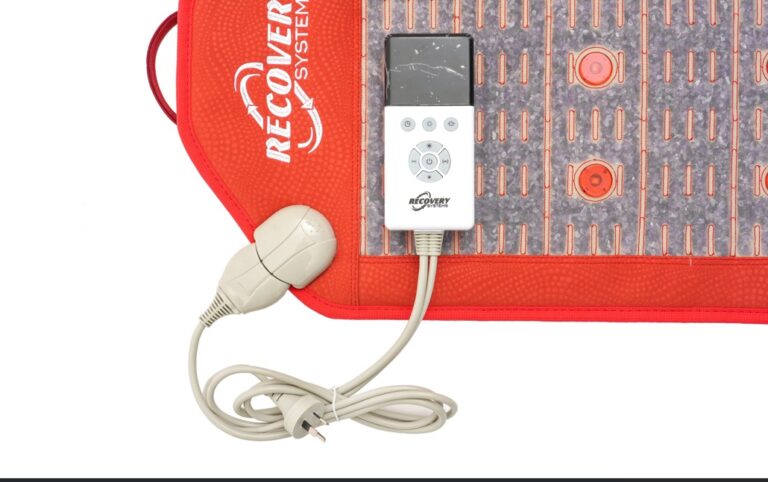
The Qi BioMat incorporates five therapeutic modalities — PEMF, far-infrared radiation, photobiomodulation, negative ion therapy, and grounding — within a single platform. This multi-modal design reflects the understanding that recovery and wellness are not single-variable problems. Each modality has its own evidence base, and their combination produces overlapping biological effects that a single-modality approach cannot replicate.
For clinical practitioners evaluating PEMF for patient populations, for athletes seeking to extend the gains of physical training, and for individuals managing chronic conditions who want evidence-based complementary tools: the science reviewed here provides a foundation for informed decisions.
Written by: Michael Lyons
Michael Lyons is a recovery specialist with three decades of tech and Meditech experience and 15,000+ hours in endurance sports coaching. The author is not a licensed physician or medical professional. The health information in this article represents the author’s research and personal perspective, not professional medical advice.
Medically Reviewed by: Ayman Shafique, PharmD
Ayman Shafique is a licensed pharmacist with expertise in pharmacology and medical writing. Her work focuses on reviewing and developing evidence-based health and wellness content, ensuring scientific accuracy, clarity, and alignment with current pharmaceutical research. She specialises in translating complex pharmacological and medical information into accessible, reliable content for public and professional audiences.
MEDICAL DISCLAIMER
This article is for informational and educational purposes only and should not be considered medical advice. The author is a recovery specialist, not a licensed medical doctor or healthcare provider. Health-related claims discussed in this article are based on emerging research and should not replace professional medical consultation. Many claims remain theoretical and require further scientific validation. Individual results may vary, and these concepts are not widely accepted as standard medical practice. Before using any PEMF therapy device or making health decisions based on this article, please consult a qualified healthcare professional — especially if you have pre-existing medical conditions, are pregnant, have implanted medical devices such as pacemakers, or are taking medications.
Commercial Disclosure
This website sells PEMF therapy products, including BioMat technology. The author and company have a commercial interest in promoting these products.
If you are experiencing a mental health crisis or suicidal thoughts, contact your local emergency number immediately. In the United States, call or text 988. Internationally, see the International Association for Suicide Prevention directory.
Originally Published::

Author:
Michael Lyons is a biohacking and recovery specialist with three decades of tech and Meditech experience and 15,000+ hours in endurance sports coaching.