
Is PEMF Therapy a Scam? What the Science Actually Says
Last Updated::
Pulsed Electromagnetic Field (PEMF) therapy uses low frequency electromagnetic fields and has become popular for various health concerns. You may have seen promises about pain relief, bone healing, or better sleep. But does it actually work? Is it safe? And how long before you might see results?
This article explains what PEMF therapy is, how it is thought to work, and what research says about its effectiveness. We review scientific studies, look at which conditions have supporting evidence, and help you think critically about device claims and marketing.
Why Do Some People Say PEMF Is a Scam?
Pulsed Electromagnetic Field (PEMF) therapy is sometimes associated with the work of Nikola Tesla, who conducted early experiments with electricity and electromagnetic fields in the late 19th century. Tesla observed interactions between electromagnetic fields and the human body and speculated about medical applications. However, Tesla did not develop PEMF therapy as a clinical treatment, nor did his work establish therapeutic efficacy. His contributions are best viewed as foundational to electromagnetic science rather than modern medical PEMF therapy.
Modern PEMF therapy was introduced in the 1970s, most notably by C. Andrew Bassett and colleagues, who investigated pulsed electromagnetic fields for orthopedic applications. Following this work, the U.S. Food and Drug Administration cleared PEMF devices in 1979 for specific medical uses. Since then, PEMF therapy has been used clinically for several decades in narrow orthopedic indications, including adjunctive treatment for bone formation, fracture non-unions, and, in some cases, osteoarthritis.
Although PEMF has a documented history of clinical use, the strength of the supporting evidence varies. A 2020 systematic review published in the Journal of Orthopaedic Surgery and Research reported that while some studies suggest potential benefits for bone healing and certain pain conditions, many were limited by small sample sizes, heterogeneous protocols, potential funding bias, or weak methodology. Overall, the evidence base remains preliminary, and larger, high-quality randomized controlled trials are required to establish definitive efficacy across indications.
Skepticism surrounding PEMF therapy is further driven by exaggerated or unsubstantiated claims. Regulatory agencies have taken action against manufacturers promoting PEMF devices for serious medical conditions without credible evidence. As a result, PEMF therapy is generally classified as complementary or alternative and should not replace evidence-based medical care.
What Is PEMF Therapy?
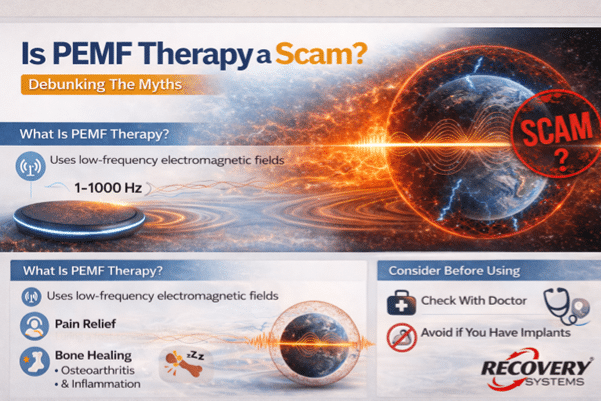
Pulsed Electromagnetic Field (PEMF) therapy is a non-invasive physical modality that uses low-frequency electromagnetic fields and is generally classified as a complementary and alternative therapy. Certain PEMF devices have been cleared by the U.S. Food and Drug Administration for specific orthopedic indications, including adjunctive use in stimulating bone growth in non-union fractures and cervical spine fusion procedures.
How PEMF Therapy Works?
PEMF therapy delivers low-frequency electromagnetic pulses that are believed to interact with cellular function through several mechanisms.
Research suggests it may support cellular energy metabolism, improve microcirculation through nitric-oxide-related pathways, and modulate pain signaling by influencing inflammatory responses and nerve communication.
A 2022 clinical study found measurable improvements in cellular energy markers among post-surgical patients using PEMF compared to a sham group — though the study was limited to 20 patients in a specific recovery context, so broader conclusions require further research.
What Conditions Can PEMF Therapy Help?
Research on PEMF therapy has examined its potential benefits across various conditions. Below is an evidence-based assessment of conditions with the most research support:
-
Osteoarthritis and Musculoskeletal Pain
A 2022 systematic review found PEMF showed modest improvements in pain, stiffness, and physical function in osteoarthritis patients compared to control interventions. Results varied across studies, likely due to differences in devices, treatment duration, and patient profiles.
-
Chronic Pain
A multi-center randomized trial found that patients using an FDA-cleared PEMF system reported greater reductions in pain scores and medication use over 14 days compared to standard care.
-
Rheumatoid Arthritis (RA)
A 2023 medical policy review continues to classify electromagnetic stimulation as investigational for RA, citing insufficient evidence of clinical benefit.
-
Fibromyalgia
A 2022 pilot study found PEMF was safe and associated with modest improvements in fibromyalgia-related pain and quality of life. However, the study was small with a short follow-up, and earlier trials showed mixed results.
-
Depression and Mental Health
A multicenter study of 58 patients found that transcranial PEMF used alongside antidepressant medication reduced depression scores over eight weeks. However, PEMF should not replace established depression treatments such as therapy or medication.
-
Anxiety Disorders
A 2025 study in 485 healthy volunteers showed improvements in anxiety and sleep with transcranial PEMF, but was not conducted in patients with diagnosed anxiety disorders. Consumer-level evidence remains very preliminary. Evidence-based anxiety treatments such as CBT and medication should remain the first line of care.
-
Bone Healing and Fractures
PEMF is FDA-approved for stimulating bone growth in non-union fractures and cervical spine fusion procedures — making this one of its most clinically validated applications.
-
Osteoporosis Prevention
A 2022 systematic review suggested PEMF may modestly improve bone mineral density in postmenopausal women, particularly at the femoral site. Evidence certainty ranged from moderate to low. PEMF should not replace established osteoporosis treatments including bisphosphonates, calcium, vitamin D, and weight-bearing exercise.
-
Insomnia and Sleep Quality
A 2025 narrative review identified emerging evidence that PEMF may support sleep by influencing the autonomic nervous system and melatonin regulation. However, evidence for primary insomnia remains preliminary and optimal parameters are not yet established. CBT for insomnia (CBT-I) remains the gold standard first-line treatment.
-
Migraines and Headaches
Clinical evidence for PEMF in migraine treatment is sparse. Most related research involves high-intensity transcranial magnetic stimulation, which differs significantly from consumer PEMF devices. PEMF is not recognized in current migraine guidelines — patients should consult a neurologist for evidence-based migraine strategies.
-
Pain Management and Circulation
Clinical reviews report modest short-term improvements in pain and function for osteoarthritis, but heterogeneity across studies limits broader conclusions. Individuals considering PEMF for chronic pain management should consult a healthcare provider before use.
How to Know If PEMF Therapy Is Working
To assess whether PEMF therapy may be helping, monitor changes in symptoms such as pain levels, mobility, sleep quality, or recovery time over several weeks. Individual responses vary, and clinical studies often evaluate outcomes over weeks to months rather than immediately.
Some people report improvement with consistent use, while others experience little change. Because evidence remains mixed, tracking symptoms and consulting a healthcare professional can help determine whether PEMF therapy is appropriate for your situation.
How Long Does It Take For PEMF To Work?
The time PEMF therapy takes to work varies depending on the condition and individual response. Some patients report improvements within the first few weeks, while others require several weeks of consistent use. Individual response varies—some benefit while others show minimal response. If after 6-8 weeks of consistent use you experience no improvement, discuss with your healthcare provider whether to continue or try alternatives
How Many Times Per Day Can You Use PEMF?
The appropriate frequency and duration of PEMF use depends on multiple factors, including device type, condition being treated, and individual response. Clinical research shows considerable variation in treatment protocols: some studies use 10-30 minute sessions 2-7 times per week, while others use longer daily durations. There is no standardized “safe” upper limit established for PEMF use.
Before starting PEMF therapy, consult your healthcare provider about appropriate frequency and duration for your specific condition.
What Are The Cons Of PEMF?
Clinical trials examining PEMF report adverse events are rare. The most commonly reported side effects include mild dizziness, temporary headache, or localized discomfort at the application site. However, long-term safety data beyond 12 weeks is limited for most conditions.
Contraindications—PEMF is NOT recommended for:
- Patients with implanted electronic medical devices (pacemakers, defibrillators, cochlear implants, deep brain stimulators, insulin pumps)
- Pregnant women (safety in pregnancy has not been established)
- Patients with active malignancy or cancer (mechanism unclear; avoid until research clarifies)
- Patients with untreated seizure disorders (theoretical risk of electromagnetic interference)
- Patients taking medications that increase seizure risk
How Much Is A PEMF Machine?
PEMF device prices vary significantly based on device type, brand, and features. Generally, PEMF devices for personal home use range from several hundred dollars to several thousand dollars, while clinical or professional-grade systems cost substantially more. For current pricing, compare options from multiple manufacturers and retailers.
Before Purchasing a PEMF Device:
- Verify FDA clearance status at FDA.gov
- Request clinical trial data supporting specific health claims
- Check device parameters (frequency, intensity) against research protocols for your condition
- Review warranty, return policies, and customer support
- Consult your healthcare provider about device appropriateness for your condition
Conclusion
PEMF therapy shows the strongest evidence for FDA-approved bone healing applications. It may provide short-term pain relief for osteoarthritis, but long-term benefits are unproven. Evidence for other uses (chronic pain, fibromyalgia, depression, anxiety, insomnia, and migraines) remains limited or insufficient; PEMF should not replace standard treatments for these conditions.
P.S: If you’re interested in exploring PEMF therapy for recovery, sleep, or pain support, Recovery Systems Sport offers a range of BioMat and Qi Series PEMF devices designed for home and professional use. You can browse their full selection here: Recovery Systems Sport – Bio-Mats & Qi Series
Frequently Asked Questions About PEMF Therapy
What Does PEMF Therapy Do?
PEMF therapy uses pulsed electromagnetic fields to interact with body tissues and cellular signaling processes. Research suggests it may support pain management, recovery, circulation, and musculoskeletal function, although effectiveness varies by condition and device.
Does PEMF Therapy Really Work?
Some clinical studies support PEMF therapy for specific uses such as bone healing, osteoarthritis pain, and recovery support. Evidence for other conditions remains limited or mixed, so it is usually considered a complementary therapy rather than a primary treatment.
Do PEMF Mats Really Work?
PEMF mats provide low-intensity electromagnetic field therapy. Some users report improved comfort or sleep, but strong clinical evidence specifically for consumer mats is still limited. Device quality and proper usage influence outcomes.
Is PEMF Therapy Backed by Science?
Yes, PEMF therapy has scientific research behind it, especially for bone healing and certain pain conditions. However, many claimed benefits still require stronger long-term clinical evidence.
Is PEMF Therapy Legit or a Scam?
PEMF technology is legitimate and used in medical settings for certain approved indications. However, exaggerated marketing claims exist, so evaluating clinical evidence, device certification, and professional guidance is important.
Is PEMF Approved by the FDA?
Some PEMF devices have FDA clearance for specific medical uses such as non-union bone fractures and postoperative pain. Not all PEMF applications are approved, so checking device authorization is essential.
Is PEMF Safe During Pregnancy?
Safety during pregnancy has not been well studied. Most healthcare professionals recommend DO NOT USE PEMF therapy during pregnancy unless specifically advised by a qualified clinician.
What Are the Risks of PEMF Therapy?
PEMF therapy is generally well tolerated. Reported side effects are usually mild and temporary, such as headache, dizziness, or localized discomfort. Individuals with implanted medical devices or chronic conditions should consult a healthcare professional before use.
Can You Overuse PEMF Therapy?
Overuse is uncommon, but following recommended usage guidelines is important. More frequent use does not necessarily improve results and may increase minor discomfort without added benefit.
How Long Does PEMF Therapy Take to Work?
Clinical studies often evaluate PEMF effects over several weeks to a few months. Some individuals notice symptom improvement earlier, while others may experience minimal change.
Does PEMF Help Arthritis or Bursitis?
Research suggests PEMF therapy may help reduce pain and improve function in osteoarthritis. Evidence specifically for bursitis is limited, so PEMF is usually considered supportive rather than a primary treatment.
Does NASA Use PEMF Technology?
NASA has researched electromagnetic field therapy for bone density maintenance and healing in space environments. This research does not necessarily apply directly to consumer PEMF devices.
Is Magnetic Therapy a Scam?
Magnetic therapy is a broad category. Some electromagnetic therapies have clinical evidence, while others lack strong scientific support. Evaluating specific devices and research is essential.
Is There Science Behind Magnetic Therapy?
Yes, electromagnetic field therapy has biological research suggesting effects on cellular activity, inflammation, and healing processes. Clinical effectiveness varies depending on the condition studied.
What Is the Success Rate of PEMF Therapy?
There is no single success rate because results vary widely by condition, device type, treatment duration, and individual response. PEMF is generally considered a complementary therapy.
Does PEMF Help With Pain Relief?
Some clinical trials show PEMF therapy may reduce pain and improve physical function in certain musculoskeletal conditions. Outcomes vary, and long-term benefits are still being studied.
Can PEMF Therapy Improve Sleep?
Some small studies suggest PEMF may support sleep quality, particularly in specific populations, but evidence for primary insomnia remains limited.
Is PEMF Therapy Safe for Home Use?
Many PEMF devices are designed for home use, but choosing medically certified devices and following professional guidance improves safety and effectiveness.
Author & Medical Reviewer
Written by: Michael Lyons
Michael Lyons is a recovery specialist with three decades of tech and Meditech experience and 10,000+ hours in endurance sports coaching. The author is not a licensed physician or medical professional. The health information in this article represents the author’s research and personal perspective, not professional medical advice.
Medically Reviewed by: Ayman Shafique, PharmD
Ayman Shafique is a licensed pharmacist with expertise in pharmacology and medical writing. Her work focuses on reviewing and developing evidence-based health and wellness content, ensuring scientific accuracy, clarity, and alignment with current pharmaceutical research. She specialises in translating complex pharmacological and medical information into accessible, reliable content for public and professional audiences.
MEDICAL DISCLAIMER
This article is for informational and educational purposes only and should not be considered medical advice. The author is a recovery specialist, not a licensed medical doctor or healthcare provider. Health-related claims discussed in this article are based on emerging research and should not replace professional medical consultation. Many claims remain theoretical and require further scientific validation. Individual results may vary, and these concepts are not widely accepted as standard medical practice. Before using any PEMF therapy device or making health decisions based on this article, please consult a qualified healthcare professional — especially if you have pre-existing medical conditions, are pregnant, have implanted medical devices such as pacemakers, or are taking medications.
Commercial Disclosure
This website sells PEMF therapy products, including BioMat technology. The author and company have a commercial interest in promoting these products.
If you are experiencing a mental health crisis or suicidal thoughts, contact your local emergency number immediately. In the United States, call or text 988. Internationally, see the International Association for Suicide Prevention directory.
Originally Published::

Author:
Michael Lyons is a biohacking and recovery specialist with three decades of tech and Meditech experience and 15,000+ hours in endurance sports coaching.