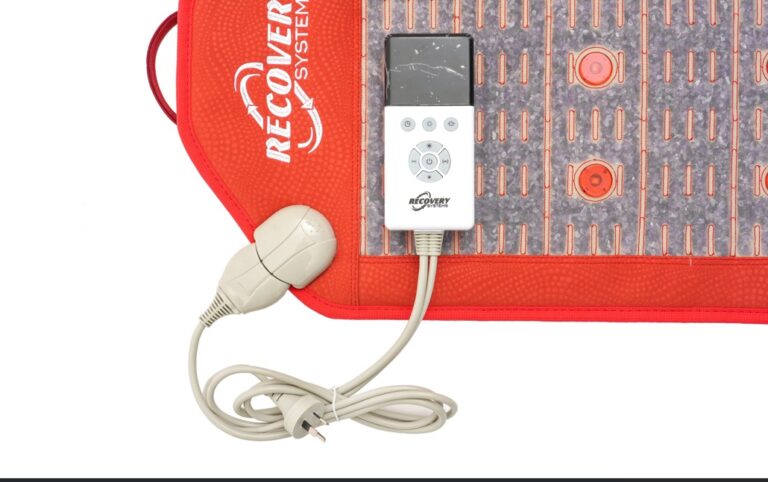

PEMF Mats vs Grounding Mats: Which One Should You Buy
Last Updated::
Walk into any wellness store or scroll through a recovery-focused Instagram feed and you will see two products that look almost identical. Both are mats. Both promise better sleep, less inflammation, and faster recovery. Both come with confident testimonials and a growing community of believers.
PEMF mats and grounding mats are not the same thing. They work through different mechanisms, target different problems, and have very different evidence bases behind them. Choosing the right one depends entirely on what you are trying to fix.
This guide walks through what each one actually does, what the published research supports, and how to decide which fits your situation.
What Is a PEMF Mat?
A PEMF mat is an active electromagnetic therapy device. PEMF stands for pulsed electromagnetic field, and the mat contains internal coils that produce gentle, pulsing electromagnetic waves at specific frequencies when the device is plugged in or charged.
The pulses are designed to pass through the body and stimulate biological activity at the cellular level. The science behind this rests on a basic fact about how human cells operate. Every cell in the body uses small electrical and electromagnetic signals to communicate, divide, repair, and generate energy. PEMF therapy is built on the idea that supplying the body with controlled electromagnetic pulses can support these natural processes when they are slowed down by injury, age, or disease.
PEMF technology is not new. It has been used in clinical medicine since the 1970s for bone healing and is currently cleared by the US Food and Drug Administration for specific medical applications including fracture nonunion and post-surgical pain. Modern consumer PEMF mats deliver lower-intensity versions of the same technology for at-home wellness use.
How a PEMF Mat Works
When you lie on a PEMF mat, the coils inside produce a pulsed electromagnetic field that passes through your body. The field induces small electrical currents in tissue that interact with ion channels on cell membranes. This influences calcium signalling, which is central to how cells regulate inflammation, repair, and energy production.
Most consumer PEMF mats deliver sessions lasting 15 to 30 minutes at frequencies between 1 and 30 Hz. The most studied frequencies are concentrated near the lower end of this range, often around 7.83 Hz, the natural resonant frequency of the Earth’s electromagnetic field, known as the Schumann resonance.
What Is a Grounding Mat?
A grounding mat is a passive conductive surface that connects you electrically to the Earth. Unlike a PEMF mat, it has no internal power source and produces no electromagnetic field of its own.
Grounding, also known as earthing, is based on a simple physiological observation. The Earth’s surface carries a slight negative electrical charge from a continuous supply of free electrons. When you walk barefoot on grass, sand, or natural earth, your body absorbs some of these electrons through direct skin contact. Modern indoor living, rubber-soled shoes, and insulating flooring cut off this connection. Grounding mats restore it indoors.
A 2022 review published in the Biomedical Journal described grounding as the practice of using the body’s natural electrical conductivity to plug into the planet’s electrical circuit. The author proposed that this electron transfer may influence nervous system function, musculoskeletal performance, and cardiovascular health, though the field is still in its early research stages compared with established medical therapies.
How a Grounding Mat Works
A grounding mat has a conductive surface, usually made from carbon or silver-coated material, connected by a wire to the grounding port of a standard electrical outlet. The grounding port in any properly wired building runs to a metal rod buried in the earth outside, completing the connection.
When you place your skin on the mat, electrons can flow freely between your body and the Earth. There is no electricity going into the body in the conventional sense. The mat simply allows the body to equalise with the Earth’s electrical potential in the same way that walking barefoot outside would.
Most grounding products are designed for prolonged contact rather than short sessions. Grounding sheets, pillowcases, and mats are typically used overnight while sleeping, where 6 to 8 hours of contact is the standard exposure.
What Does the Research Actually Say?
The evidence bases for PEMF and grounding sit at very different stages of scientific development. PEMF has decades of clinical research behind it, including FDA-cleared medical applications. Grounding is a smaller, newer field with early but interesting findings.
Evidence for PEMF Therapy
A double-blind randomised controlled trial published in Bioelectromagnetics tested PEMF therapy in 57 patients with knee osteoarthritis. After 18 days of twice-daily sessions, the PEMF group showed significant reductions in pain, stiffness, and difficulty with daily activities compared with a placebo group. Patient self-assessment rated the treatment as good or very good in 57 percent of the PEMF group versus 15 percent of controls.
A 2024 randomised trial in Orthopadie tested whether a single 10-minute high-energy PEMF session could reduce tendon pain. The verum group showed pain reductions between 83 and 139 percent at the pain pressure threshold over the following week, compared with 10 to 36 percent in the placebo group. One short session produced relief that lasted at least seven days.
Not every PEMF study is positive. A double-blind trial published in Electromagnetic Biology and Medicine tested PEMF on 24 healthy young adults using an experimental heat pain protocol. PEMF produced no change in pain intensity, pain unpleasantness, or temporal summation compared with sham treatment. The researchers concluded that PEMF does not appear to directly block acute heat pain in healthy people, suggesting its clinical benefits work through inflammation and healing pathways rather than direct pain suppression. This is a balanced finding that helps clarify what PEMF does and does not do.
Evidence for Grounding
An early pilot study published in the Journal of Alternative and Complementary Medicine tracked 12 participants who slept on grounding mattress pads for 8 weeks. Saliva cortisol testing before and after the intervention showed night-time cortisol levels dropped and the 24-hour cortisol rhythm moved closer to a normal pattern. Participants reported better sleep, less pain, and reduced stress.
A later randomised controlled trial published in Explore tested grounding in 16 massage therapists, a group that experiences high occupational physical strain. Therapists were grounded for four weeks during work and sleep. The grounded period was associated with significant increases in physical function and energy, and significant decreases in fatigue, depressed mood, tiredness, and pain compared with the ungrounded periods.
A clinical trial in the Journal of Alternative and Complementary Medicine measured the effect of two hours of grounding on red blood cells in 10 healthy adults. Grounding increased the surface electrical charge of red blood cells by an average of 2.7 times and reduced their tendency to clump together. The researchers proposed this as a potential mechanism for grounding’s effects on cardiovascular health, though the study is small and the finding needs larger trials to confirm.
PEMF Mat vs Grounding Mat Side-by-Side
Each technology has a clear best-use case. The right choice depends on what you are actually trying to address.
1. Active vs Passive Technology
PEMF mats produce energy and send it into the body in a controlled pattern. Grounding mats produce nothing. They simply conduct the body’s connection to the Earth’s natural electron supply.
2. Session Length and Use
PEMF mats are designed for short therapeutic sessions, usually 15 to 30 minutes. Grounding mats are designed for prolonged passive contact, typically used overnight during sleep.
3. Evidence Base
PEMF has decades of clinical research, FDA clearance for specific medical applications, and multiple peer-reviewed randomised controlled trials in conditions including osteoarthritis, tendinopathy, and fracture healing. Grounding has a smaller body of research, with promising pilot studies in sleep, cortisol, and cardiovascular markers, but it is not classified as a medical therapy.
4. Best For Targeting Specific Conditions
PEMF mats are better suited to people managing pain conditions, recovering from injury, dealing with chronic inflammation, or supporting cellular recovery after intense training. Grounding mats are better suited to people focused on sleep quality, stress regulation, and general wellness.
5. Cost and Accessibility
PEMF mats are significantly more expensive than grounding mats, reflecting the active technology and clinical research investment behind them. Grounding mats are simpler devices and considerably more affordable.
What Are the Cons of PEMF?
PEMF is generally considered safe with a strong overall safety record, but it is not free of limitations or contraindications. Anyone considering PEMF should understand both sides.
1. Not a Replacement for Medical Treatment
PEMF supports recovery and can help with pain management, but it does not replace conventional medical care for serious conditions. Cancer, active infections, and acute injuries still require diagnosis and treatment from licensed medical professionals. PEMF should be used as a complement to medical care, not a substitute.
2. Real Contraindications Exist
- Pacemakers, defibrillators, insulin pumps, and other implanted electronic medical devices
- Pregnancy, where most manufacturers advise against use
- Active bleeding or recent haemorrhage
- Organ transplant recipients on immunosuppressive medication
- Active cancer treatment, unless under specific medical supervision
3. Inconsistent Quality Across Products
The consumer PEMF market is unregulated outside of FDA-cleared medical devices. Cheaper units may not produce the intensity or frequency profile that drove the clinical research, which means a budget mat may not deliver what the studies actually tested. This is why buying from an established brand with transparent specifications matters. Recovery Systems Sport is one of the brands that publishes its frequency range, intensity, and technology details openly, so users know exactly what they are getting before they invest.
4. Mixed Findings in Healthy People
As the Electromagnetic Biology and Medicine trial showed, PEMF does not appear to suppress acute pain in healthy young adults. Its benefits seem to depend on having something to repair. People without inflammation, injury, or chronic pain may notice less effect than those with a clear health target.
5. Wider EMF Exposure Concerns
A 2025 systematic review in Cureus examined the broader literature on electromagnetic field exposure and noted that ongoing research continues to investigate potential effects of long-term EMF exposure on biological systems. PEMF used in short therapeutic sessions is distinct from continuous environmental EMF exposure, but the wider scientific conversation about EMF safety is still active and worth following.
Why People Feel Weird After Grounding
Some grounding users report unusual sensations after their first sessions. Headaches, tingling, fatigue, or feeling unwell are the most commonly reported. These reactions are usually short-lived and not dangerous.
Grounding researchers have proposed a few possible explanations:
- The first is that the body is adjusting to a sudden change in its baseline electrical state. For someone whose body has been disconnected from natural Earth contact for months or years, the initial reconnection may produce a transient adjustment period.
- The second is that grounding may influence inflammation pathways, and any change in inflammatory signalling can produce temporary symptoms while the body recalibrates. People with high baseline inflammation tend to report the strongest initial reactions.
- The third is that grounding products connect to building electrical systems through the grounding wire. In some older buildings, this wire may also carry stray electrical interference from the wider electrical environment, which the body picks up alongside the Earth connection.
- Most users find that any initial discomfort fades after a few days of regular grounding. If symptoms persist or worsen, stopping use and consulting a healthcare provider is the sensible step.
Stop Choosing. Get Both in One Mat.
Why settle for PEMF alone or grounding alone when the Recovery Systems Sport PEMF Bio Mat delivers both, plus three more recovery technologies, in a single device. Pulsed electromagnetic field therapy for cellular repair and pain relief. Negative ion therapy for the same electron exchange grounding mats are built on. Far infrared for deep tissue warmth. Red light therapy for mitochondrial support. Heat for muscle relaxation. Five proven recovery modalities. One session. One mat. Built for athletes, sleep, and people who refuse to compromise on recovery.
Frequently Asked Questions
Are PEMF Mats Worth It?
For people managing chronic pain, recovering from soft tissue injury, or supporting recovery from intense training, the clinical evidence supports a reasonable expectation of benefit. PEMF has decades of clinical research behind it, FDA clearance for specific medical applications, and multiple randomised controlled trials showing significant reductions in pain and improvements in healing. For healthy people with no specific recovery goals, the effects may be less noticeable.
Is PEMF the Same as Grounding?
No. They share some surface similarities, but the underlying mechanisms are completely different.
PEMF is an active therapy. The device generates electromagnetic energy and sends it into the body in a specific pulsed pattern. The user is exposed to a designed electromagnetic field for a defined treatment session.
Grounding is a passive process. The mat does not generate anything. It only conducts the body’s connection to the Earth’s natural electron supply. Nothing is sent into the body. Instead, the body is allowed to exchange electrons freely with the planet, the way it would during direct contact with soil or grass.
Think of it this way. A PEMF mat is like a treatment session at a physiotherapy clinic. A grounding mat is more like opening a window for fresh air. Both can be useful, but they are addressing different things and in different ways.
Does Grounding Help with Hashimoto’s Disease?
There are currently no clinical studies directly evaluating the effects of grounding (earthing) on Hashimoto’s disease. However, preliminary research on grounding suggests general systemic benefits that could theoretically aid in managing broader autoimmune pathways, though it cannot replace standard thyroid medical care. Clinical and laboratory studies have shown that absorbing the Earth’s free electrons through direct skin contact can alter the concentrations of circulating white blood cells and cytokines, leading to a reduction in chronic inflammation and providing a stabilizing effect on immune responses. Grounding the human body during sleep significantly lowers night-time cortisol levels and resynchronizes the 24-hour circadian hormone secretion rhythm. Because chronic stress and dysregulated cortisol production are heavily linked to the exacerbation of autoimmune flares, this stress-reducing mechanism could offer supportive relief for systemic symptoms, but direct evidence confirming that grounding lowers anti-thyroid antibodies or improves thyroid hormone synthesis in Hashimoto’s patients remains completely unproven.
Does Grounding Help with Lupus?
Lupus is a complex autoimmune condition that requires comprehensive medical management. There is no clinical research demonstrating grounding as an effective lupus treatment. Some published studies suggest grounding may reduce systemic inflammation markers, which is theoretically relevant to autoimmune conditions, but no direct lupus trials have been conducted. Anyone with lupus considering grounding should discuss it with their rheumatologist alongside the prescribed medical treatment, not as a replacement for it.
Does Grounding Lower Cortisol?
Based on articles retrieved from PubMed, a pilot study in the Journal of Alternative and Complementary Medicine measured cortisol in 12 participants who slept on grounding mats for 8 weeks. Night-time cortisol levels dropped and the 24-hour cortisol rhythm shifted closer to a normal pattern. Participants reported better sleep, less pain, and reduced stress. The study is small and exploratory, but it suggests grounding during sleep may have measurable effects on cortisol regulation. Larger trials are needed to confirm the findings.
Is PEMF Therapy Like Grounding?
PEMF and grounding are not the same thing. PEMF is an active electromagnetic therapy that sends specific pulses of energy into the body through a powered device. Grounding is a passive practice that allows the body to connect electrically with the Earth’s surface, without generating any energy. The two approaches address different physiology, use different equipment, and have very different evidence bases. They can be used in combination, but they are not interchangeable.
What Is the Difference Between Grounding Sheets and PEMF Mats?
Grounding sheets are conductive bedding that connects the body to the Earth’s natural electron supply during sleep through a wire to a grounded outlet. They produce no energy themselves. PEMF mats are active devices that generate pulsed electromagnetic fields at specific frequencies for shorter therapeutic sessions, usually 15 to 30 minutes. The two products serve different purposes. Grounding sheets focus on prolonged passive electron exchange overnight. PEMF mats focus on active therapeutic stimulation in targeted sessions.
What Is the Real Difference Between a PEMF Mat and a Grounding Mat?
The PEMF mat vs grounding mat question comes down to active technology versus passive connection. A PEMF mat contains internal coils that generate controlled electromagnetic pulses at specific therapeutic frequencies. A grounding mat is a simple conductive surface that connects your body to the Earth’s natural electron supply through a building’s grounding wire.
It generates nothing. PEMF vs grounding mat differences extend to session design, evidence base, and cost. PEMF sessions run 15 to 30 minutes and target pain, inflammation, and cellular repair.
Grounding is designed for prolonged overnight contact and targets sleep quality and stress regulation. PEMF vs grounding is not a question of one being universally better. They address different problems through entirely different mechanisms.
Is PEMF the Same as Grounding?
No. Is PEMF the same as grounding? The short answer is they share a surface similarity but work through completely different mechanisms.
PEMF is an active therapy. The device generates electromagnetic energy and sends it into the body in a controlled pulsed pattern designed to stimulate cellular repair and modulate inflammation. Grounding is passive.
The mat conducts your body’s connection to the Earth’s electron supply without generating any energy of its own. A PEMF mat vs grounding mat comparison is like comparing a physiotherapy session to opening a window for fresh air. Both can be useful, but they target different problems.
PEMF vs grounding mat choice depends on whether you need targeted therapeutic intervention or general wellness support through reconnection with the Earth’s natural electrical field.
What’s Better PEMF or Grounding Mat?
Neither is universally better. PEMF mats are better for people with specific pain, injury, or recovery needs because the clinical evidence base is stronger and the active therapy is targeted at cellular repair processes. Grounding mats are better for people focused on sleep quality, stress regulation, and daily wellness, particularly those who spend most of their time indoors with no contact with natural surfaces. Many people use both, applying each to its appropriate context. The right choice depends on what you are trying to achieve.
Why Do I Feel Weird After Grounding?
Initial sensations including headaches, tingling, fatigue, or feeling unwell are commonly reported after starting grounding. These reactions are usually short-lived. They may reflect the body adjusting to a sudden change in its baseline electrical state, temporary effects on inflammatory signalling, or interaction with stray electrical signals from building wiring systems. Most users find these sensations fade after a few days of regular use. If symptoms persist or worsen, stop using the mat and consult a healthcare provider.
| MEDICALLY REVIEWED BY Ayman Shafique, PharmD Ayman Shafique is a licensed pharmacist with expertise in pharmacology and medical writing. Her work focuses on reviewing and developing evidence-based health and wellness content, ensuring scientific accuracy, clarity, and alignment with current pharmaceutical research. She specialises in translating complex pharmacological and medical information into accessible, reliable content for public and professional audiences. |
| Medical Disclaimer This article is for informational and educational purposes only and should not be considered medical advice. The author is a recovery specialist, not a licensed medical doctor or healthcare provider. Health-related claims discussed in this article are based on emerging research and should not replace professional medical consultation. Many claims remain theoretical and require further scientific validation. Individual results may vary, and these concepts are not widely accepted as standard medical practice. Before using any PEMF therapy device or making health decisions based on this article, please consult a qualified healthcare professional, especially if you have pre-existing medical conditions, are pregnant, have implanted medical devices such as pacemakers, or are taking medications. Commercial Disclosure This website sells PEMF therapy products including BioMat technology. The author and company have a commercial interest in promoting these products. Content is written to be as accurate and balanced as possible, and all product recommendations are supported by the cited research context. |
Originally Published::

Author:
Michael Lyons is a biohacking and recovery specialist with three decades of tech and Meditech experience and 15,000+ hours in endurance sports coaching.