Top 10 Recovery Tips for 2025
Published:
Updated:
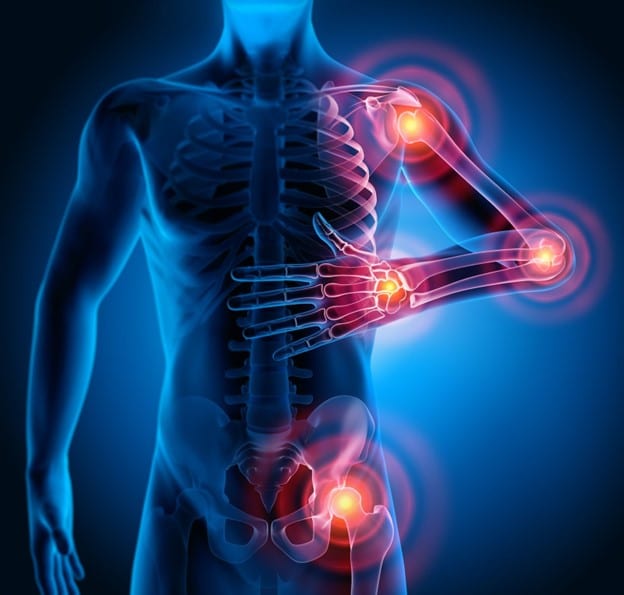
In 2025, athletes and weekend warriors are searching for faster, more innovative, and more personalised recovery strategies. Advances in wearable technology, nutrition science, and novel therapeutic modalities are converging to create multi-modal protocols that address inflammation, cellular repair, and overall resilience. Integrating evidence-based practices into your routine accelerates healing and supports long-term performance gains. The following ten tips span sleep hygiene, nutrition, movement, and cutting-edge therapies to help you recover stronger than ever.
1. Prioritise Sleep Quality
Quality sleep remains the cornerstone of recovery. Deep (slow-wave) and REM sleep phases play distinct roles in muscle repair, hormonal regulation, and memory consolidation. Target 7–9 hours nightly, maintain a consistent bedtime, and optimise your bedroom for darkness and cool temperatures (18–20 °C). Investing in blackout curtains or a simple white-noise machine can pay dividends in growth hormone release and reduced injury risk.
2. Hydrate Strategically
Hydration isn’t just water intake; it’s about maintaining fluid balance, electrolytes, and temperature regulation. Aim for 0.03 L per kilogram of bodyweight daily, adjusting upward on intense training days. Incorporate sodium, potassium, and magnesium through sports drinks or natural sources like coconut water and leafy greens. Proper hydration assists nutrient transport to muscle cells and minimises cramping during training and recovery.
3. Embrace Active Recovery
Light aerobic activity on rest days accelerates lactate clearance and prevents stiffness. Activities such as easy cycling, swimming, or dynamic stretching at 40–50 per cent of maximum heart rate optimise blood flow without adding fatigue. Studies show that 20–30 minutes of active recovery can reduce muscle soreness by up to 30 per cent compared to complete rest.
4. Fuel Repair with Targeted Nutrition
Post-exercise nutrition should combine 20–30 grams of high-quality protein with 1.0–1.2 grams of carbohydrates per kilogram of bodyweight in the first 60 minutes. Leucine-rich sources like whey or soy protein trigger muscle protein synthesis more effectively than lower-leucine blends. Including antioxidants—berries, turmeric, or green tea—mitigates oxidative stress and supports mitochondrial function.
5. Incorporate Compression Therapy
Graduated compression boots, sleeves, or garments deliver 15–60 mm Hg of pressure to limbs, enhancing venous return and reducing edema. Users report a 25 per cent reduction in delayed onset muscle soreness (DOMS) and faster subjective recovery. Schedule compression sessions for 15–30 minutes immediately post-exercise or before sleep to sustain improved circulation and nutrient delivery.
6. Alternate Cold and Heat
Contrast hydrotherapy—alternating 1–2 minutes of cold (10–15 °C) with 2–3 minutes of heat (38–40 °C)—promotes vasoconstriction and vasodilation cycles that expedite metabolic waste removal. This method can decrease markers of inflammation by 15–20 per cent and is particularly effective for ultra-endurance athletes facing high training loads.
7. Biomats
Leverage PEMF, Red Light, infrared and Negative Ion Therapy in biomats. In one therapeutic session, thissynergistic recovery modality combines pulsed electromagnetic fields (PEMF), red and near infrared photobiomodulation, and negative air ions. PEMF delivers low-frequency electromagnetic pulses to enhance cellular repair and blood flow. Red and near-infrared wavelengths penetrate tissue to boost mitochondrial ATP production, reduce oxidative stress, and modulate inflammation. Negative ions—electrically charged molecules abundant in natural environments like forests and waterfalls—can improve mood, regulate sleep cycles, and support autonomic balance.

8. Practice Mind-Body Techniques
Mental fatigue can impair physical recovery. Techniques such as guided meditation, box breathing (4-7-8 seconds inhale-hold-exhale), and progressive muscle relaxation activate the parasympathetic nervous system, lowering cortisol by up to 26 per cent. Just 10 minutes daily can foster better sleep onset, reduced pain perception, and enhanced focus during subsequent workouts.
9. Schedule Deload and Rest Weeks
Periodisation isn’t just about peaks; it’s about planned reduction in training load. Incorporate deload weeks—reducing volume/intensity by 40–50 per cent—every 4–6 weeks to allow full neuromuscular recovery. This strategy lowers burnout risk and promotes consistent gains, as chronic overreaching can hamper performance and elevate injury rates by up to 60 per cent over a season.
10. Harness Wearable Recovery Analytics
To provide personalised recovery scores, modern wearables track heart rate variability (HRV), sleep stages, skin temperature, and movement asymmetries. A sudden HRV drop or elevated resting heart rate can signal inadequate recovery, prompting adjustments in training or recovery protocols before subjective fatigue emerges. Utilising these insights empowers proactive rather than reactive recovery planning.
Conclusion
Adopting a holistic recovery framework in 2025 means weaving sleep optimisation, nutrition, movement, and technological interventions into a seamless, personalised regimen. By prioritising quality rest, strategic fueling, dynamic recovery modalities, and data-driven insights—and embracing emerging therapies like infrared-pulsed electromagnetic mats—you’ll rebound faster and build resilience for future performance peaks. Start integrating these ten tips today to elevate your recovery and results.
References
- Fullagar HHK, Duffield R, Skorski S, et al. Sleep and Athletic Performance: The Effects of Sleep Loss on Exercise Performance, and Physiological and Cognitive Responses to Exercise. Sports Med. 2015;45(2):161–186.
- Judelson DA, Maresh CM, Anderson JM, et al. Hydration and muscular performance: Does fluid balance affect strength, power and high-intensity endurance? Sports Med. 2007;37(10):907–921.
- Toubekis AG, Tsolakis CN. Active recovery accelerates lactate clearance during high-intensity interval training. J Strength Cond Res. 2016;30(6):1638–1644.
- Phillips SM. A brief review of critical processes in exercise-induced muscular hypertrophy. Sports Med. 2014;44(Suppl 1):S71–S77.
- Hill J, Howatson G, van Someren K, Leeder J, Pedlar C. Compression garments and recovery from exercise-induced muscle damage: a meta-analysis. Br J Sports Med. 2014;48(18):1340–1346.
- White GE, Wells GD. Cold-water immersion and contrast-water therapy: Physiological responses and applications to performance recovery. Sports Med. 2013;43(11): (1025–1045).
- Markov MS. Expanding use of pulsed electromagnetic field therapies. Electromagn Biol Med. 2012;31(1):34–53.
- Zeidan F, Johnson SK, Diamond BJ, David Z, Goolkasian P. Mindfulness meditation improves cognition: Evidence of brief mental training. Conscious Cogn. 2010;19(2):597–605.
- Meeusen R, Duclos M, Foster C, et al. Prevention, diagnosis and treatment of the overtraining syndrome: Joint consensus statement. Br J Sports Med. 2013;47(18): (128–160).
- Preatoni E, Ferrario M, Botter A, et al. Quantifying biomechanical and physiological workload for injury prevention in team sport athletes: A review. Sports Med Open. 2019;5(1): (20).
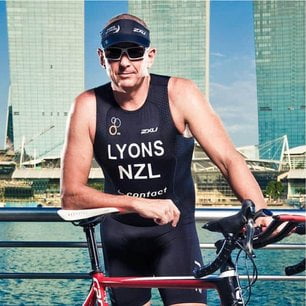
Author:
Michael Lyons is a biohacking and recovery specialist with three decades of tech and Meditech experience and 10,000+ hours in endurance sports coaching.