
Is PEMF Therapy Safe? | FDA Approved Recovery Tech
Last Updated::
PEMF Therapy Side Effects, What the 2026 Research Shows
Pulsed electromagnetic field therapy has moved a long way from the orthopaedic clinics where it started. What began in the 1970s as a hospital treatment for fractures that would not heal is now sold as a full body mat you can sleep on, marketed for pain relief, inflammation, recovery and sleep. Devices range from prescription bone growth stimulators to consumer wellness products anyone can order online.
That growth has brought questions with it. People want to know whether repeated electromagnetic exposure is doing something they cannot see, why they sometimes feel tired or headachy after a session, how many minutes a day is too many, and whether any of it is risky around the heart or the brain. The answers online tend to come from one of two extremes, and both usually have something to sell.
The short answer is that the side effects are real but narrow. Across recent trials involving roughly 1,700 people, no serious device-related adverse events were reported. What did turn up was minor and short-lived, mostly skin redness under an applicator and a small number of temporary sensory reactions. When symptoms are measured against a dummy device, only four turn up more often with the real thing. Fatigue, the effect most often blamed on PEMF, is not one of them.
The genuine caution sits elsewhere. There is a short list of people who should not use PEMF at all, and a session length beyond which it appears to work less well rather than better.
Is PEMF Therapy Safe According to the Trial Data?
Four big research reviews landed in a single year. Between May 2025 and April 2026, four separate teams gathered up every decent trial they could find on PEMF and looked at the results together. Reviews like this carry more weight than any one study on its own, because a single small trial can throw up a fluke result, but a dozen of them rarely all do.
Here is what each team covered.
A 2026 systematic review and meta-analysis in Medicina looked at nine trials involving 457 people with knee arthritis. A 2026 meta-analysis in Neurology International searched 13 trials on nerve pain and combined the results of nine of them, covering 688 people. A 2026 systematic review in Frontiers in Sports and Active Living covered four trials with 243 people recovering from foot and ankle injuries. A 2025 meta-analysis in Multiple Sclerosis and Related Disorders added seven trials and 327 people.
Add it all up and roughly 1,700 people were studied inside about twelve months.
What they found about side effects
Three of the four reviews reported on safety, and all three came back clean.
The foot and ankle review found no serious side effects in any of its four trials. The only thing anyone reported was mild skin redness where the device sat against the body.
The multiple sclerosis review found that PEMF reduced fatigue, and that nobody in either group had a serious side effect.
The nerve pain review went into the most detail. It counted every event, trial by trial. Side effects linked to the device happened to 0.6 percent of people, and that rate was identical whether someone had a real device or a fake one. Only two mild events were judged to have genuinely been caused by the device, and both were a temporary skin sensitivity that settled by itself. One person did have a heart attack during a trial, but the researchers running it concluded it had nothing to do with the device.
The review that never checked safety at all
The fourth review, the knee arthritis one in Medicina, reported no safety information whatsoever. That sounds like a small oversight. It is not, and we come back to why at the end of this section.
Older research points the same way
None of this contradicts the 2018 BMJ Open meta-analysis, which found that side effects in the PEMF groups happened about as often as in the groups given a dummy device.
That comparison is thinner than it first looks, though. Only three of the twelve trials in that review recorded side effects at all.
Where the research gets shaky
The new reviews are far less flattering about study quality than the marketing is.
The Medicina team graded every trial they included. Seven of the nine were rated high risk of bias, which is research language for “don’t lean on this too hard.”
The groups being compared were not always evenly matched. Patients were often receiving other treatments at the same time, so it was hard to tell what was actually doing the work. The placebo effect could also be stronger in one group than the other.
Blinding was a separate weakness. In five of the nine trials, people could tell, or could probably tell, whether they had the real device or the dummy one. Once you know which one you are holding, your own expectations start shaping how you feel.
The nerve pain team hit a different wall. Their trials disagreed so sharply that the combined result barely held together. Science also has a well-known habit of publishing studies that worked more often than those that didn’t.
When the team corrected for that, the pain benefit shrank until it was no longer statistically meaningful. It still leaned slightly in PEMF’s favour, but the range of possible results now included no benefit at all. They describe the evidence base as fragmented, and that is a fair word for it.
So what does all this add up to?
Two things are true at once. PEMF looks safe. It also looks like a field where a lot of the excitement rests on small studies with real flaws. A treatment can be harmless and oversold at once, and saying so is the honest position.
One last gap is worth naming, mostly because the researchers named it themselves. The Medicina authors wrote that future studies should measure safety properly. Read that again. After reviewing the entire field, the authors concluded that nobody has studied PEMF safety on purpose yet. Researchers have only noticed it in passing while looking at something else. We covered the effectiveness side of this same research in our piece on PEMF therapy and joint pain.
The PEMF Therapy Side Effects People Actually Report
Look across the clinical trials and the manufacturer manuals and the same short list keeps turning up. These are the ones people actually mention.
● Warmth or tingling under the pad or coil while the device is running
● A bit more soreness at the treated spot, usually for a few hours afterwards
● Headache
● Drowsiness, either during the session or shortly after it
● Lightheadedness when you stand up
● Mild nausea, occasionally
● Skin redness where a coil sits directly against the body
None of these is serious, and most fade on their own. The hard part is not listing them. It’s hard to tell whether the device actually caused them.
Why nobody can pin these down properly
The problem is that no two PEMF devices are really the same, and researchers rarely describe theirs in enough detail.
A 2023 review in the International Journal of Molecular Sciences reviewed decades of PEMF research and found that studies almost never report the same technical settings. For most of the devices used in clinics, the basic specifications are missing from the write up altogether.
That leaves a gap you cannot close. If you don’t know the field strength or frequency a study used, you cannot link a side effect to any particular setting.
It matters more than it sounds, because two products can both be sold as PEMF and still be worlds apart in strength. One might be hundreds of times more powerful than the other. So a side-effect list from one device tells you very little about what a different device will do to you.
Which side effects actually exceed placebo?
Almost every list of PEMF therapy side effects online is a list of symptoms people reported after treatment. That is not the same as a list of symptoms caused by treatment, and the difference is measurable.
The cleanest dataset on this comes from magnetic stimulation research rather than mats. A 2025 meta-analysis in Schizophrenia Bulletin pooled 126 studies and 4,122 participants receiving repetitive transcranial magnetic stimulation, then compared symptom rates in active stimulation against sham. Four symptoms occurred significantly more often with active treatment. These were headache or scalp pain, dizziness or fainting, facial twitching, and nausea. Every other adverse effect measured, including seizure, occurred at rates no different from sham.
That result is worth sitting with. Fatigue after a session, probably the single most cited PEMF side effect on the internet, occurred just as often in the sham groups. The picture is not perfectly flat. Fatigue exceeded sham in two narrow subgroups: one defined by where the coil was aimed and one by the pulse pattern used. But overall, it did not. If you feel tired afterwards, the session may have caused it. The pooled evidence also suggests it may not have.
One limitation belongs with that dataset. The included studies ranged from randomised trials down to case reports, and the authors say so plainly. The comparison is the best available, but not perfect.
How long do PEMF side effects last?
For the effects that do exceed placebo, the pattern is short. Warmth and tingling generally fade when the field switches off. Lightheadedness settles within minutes of standing up slowly. Post-session soreness at a treated joint usually resolves within a day.
The useful rule is about direction rather than duration. Symptoms that shrink from session to session fit an adaptation curve. Symptoms that persist past a couple of days, or intensify with each session rather than easing, do not. That second pattern is a reason to stop and get checked, not a reason to push through.
PEMF, the Heart, and Palpitations
No randomised trial has established that therapeutic PEMF triggers arrhythmia in people with a structurally normal heart. That reassurance deserves more than a flat statement, because magnetic field exposure does measurably move cardiovascular variables.
The PLoS ONE trial cited above found increased ulnar arterial blood flow velocity and increased parasympathetic activity. Separately, a 12-week trial in the Journal of Clinical Hypertension found improvements in flow-mediated dilation alongside reductions in systolic, diastolic and mean arterial pressure in hypertensive adults. That trial was small, with 15 people completing PEMF and 11 completing the control arm, and it measured blood pressure changes within each group before and after rather than head-to-head. Treat it as suggestive.
The mechanism still makes sense. Vasodilation plus a parasympathetic shift can mildly drop blood pressure, and the subjective experience is often described as a flutter or a skipped beat. That is a haemodynamic effect, not evidence of a rhythm disturbance.
The genuinely well-documented cardiac risk is different, and it concerns implanted electronics. The FDA names it directly in its April 2026 classification order. A patient with an electrically powered implant such as a pacemaker, a cardiac defibrillator, or a neurostimulator can be harmed if the implant and the stimulator interfere with each other, and the agency explicitly states that the interference can run in either direction. Susceptibility varies with field strength, frequency, implant model and lead configuration, which is exactly why the answer here is screening rather than a dose adjustment.
On the related question of PEMF and heart arrhythmia, the position should be unambiguous. PEMF is not a treatment for arrhythmia, and no device setting is the answer to an irregular heartbeat. New, persistent palpitations, or those accompanied by chest pain, breathlessness, or fainting belong in a cardiology clinic, not in a search engine.
Is PEMF Safe for the Brain?
Two technologies get conflated here constantly. Consumer PEMF mats operate in the microtesla to low millitesla range. Repetitive transcranial magnetic stimulation delivers focal pulses around 1 to 2 tesla and is engineered specifically to depolarise cortical neurons. The intensity gap runs to several orders of magnitude. Even at those far higher intensities, a survey of 318,560 stimulation sessions recorded 24 seizures in total, and fewer than 0.02 per 1000 sessions when stimulation stayed within published guidelines in people without risk factors.
The Schizophrenia Bulletin meta-analysis reinforces that. Seizure rates did not differ between active stimulation and sham, in a population with elevated baseline seizure risk. If the most serious neurological adverse event stays that rare at tesla intensities applied directly to the scalp, the mechanistic case for a millitesla mat causing it is weak. As for what PEMF does to the brain in a positive sense, most of that work remains preclinical, and we have written separately about which claimed PEMF benefits actually have support.
The fair conclusion is that acute neurological risk from consumer PEMF appears very low, while acknowledging that long term data on nightly whole body use has not been collected. Anyone with epilepsy, a seizure history, or an implanted neurostimulator should get neurological clearance before using PEMF at all, and should not use it near the head without it.
How Much PEMF Is Too Much?
The evidence says PEMF therapy can be overdone, though the risk runs toward diminishing returns rather than accumulating toxicity. The sensitivity analysis inside the BMJ Open meta-analysis found that sessions of 30 minutes or less produced better outcomes than sessions running longer than 30 minutes. More exposure did not mean more benefit.
The 2026 Medicina review adds a genuinely new layer.
Its subgroup analysis found that low-amplitude fields of 1 mT or less, combined with frequencies above 100 Hz, were the only configuration in which pain relief reached significance. The opposite configuration, above 1 mT and at or below 100 Hz, was the only one that improved stiffness and daily activity. Different settings appeared to drive different outcomes on different timelines, with pain improving at 18 to 21 days and function improving at one month. The full analysis is worth reading if you like detail.
Two caveats keep this honest. Some subgroups included a single trial, so the findings are hypothesis-generating rather than protocol-ready. The authors were also explicit that even the statistically significant improvements did not reach the thresholds for a change a patient would reliably notice. Useful direction, modest magnitude.
A defensible practical approach still looks the same. Start at the lowest intensity and shortest duration your device offers, run one session a day, and hold that for two weeks before changing anything. Change one variable at a time so you can tell what caused what. The signs of overusing the therapy are cumulative rather than acute, and they look like fatigue building across a week, sleep getting lighter on the nights you use the device, or a headache that follows every single session rather than an occasional one. All three mean the protocol should come down, not up.
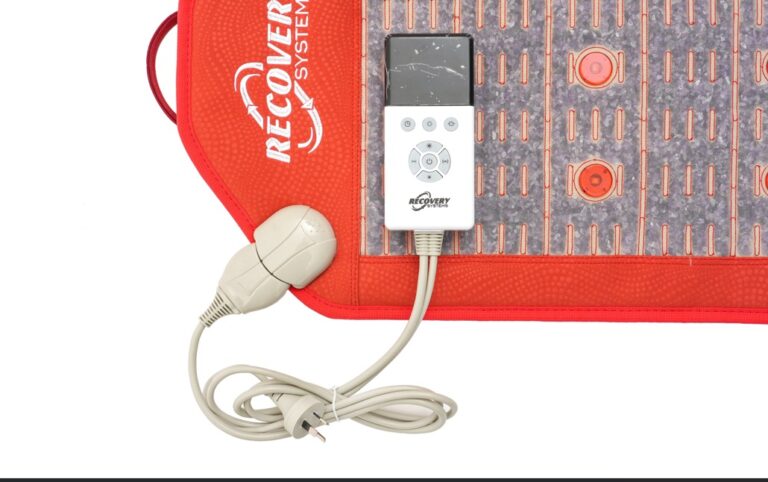
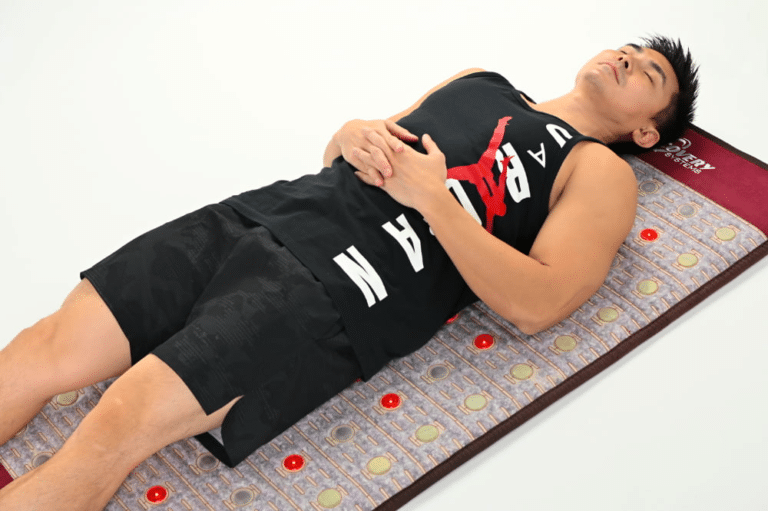
One practical wrinkle applies to combination devices. Recovery Systems, the company publishing this article, sells PEMF mats, so treat what follows as an interested party’s description rather than an independent recommendation. Multi-modality mats such as the Qi Series Bio Mats layer PEMF with far infrared heat, red light and negative ion output, which means the total physiological load of a session is not PEMF alone. On a device like that, the heat component is usually what drives fatigue and dehydration, so it is worth adjusting separately rather than treating the whole session as one dial. Full specifications are listed on the Qi Series Bio Mat range page.
FDA Cleared and FDA Approved Are Not the Same Thing
This distinction gets blurred constantly in the PEMF market, and a recent rule change makes getting it right more important, not less.
FDA approval in the strict sense applies to class III devices and requires a premarket approval application, the agency’s most demanding pathway. FDA clearance applies to class II devices through a 510(k) premarket notification, where a manufacturer demonstrates that its device is substantially equivalent to a legally marketed predicate. Clearance compares a device to something already on the market. Approval is an independent verdict on the device itself.
On 16 April 2026 the FDA published a final order reclassifying non-invasive bone growth stimulators, product codes LOF and LPQ, from class III to class II with special controls. The rule took effect on 18 May 2026. Before that date, a manufacturer genuinely did have to seek approval. After it, they may submit a premarket notification and obtain clearance instead. Going forward, most new PEMF bone growth stimulators will be cleared rather than approved, and any page still saying approved after mid-2026 repeats an outdated claim.
Two further points follow. The cleared indication is narrow. These are prescription devices intended to promote osteogenesis as an adjunct to primary treatments for fracture fixation and spinal fusion, or as a treatment for established nonunions and failed fusions. That language covers nothing related to sleep, energy, general recovery, or chronic pain. And a consumer wellness mat sold without a prescription usually isn’t in this device category at all, which means any approval claims attached to it were never accurate in the first place.
The same order carries an underused benefit for buyers. In justifying the decision, the agency published its own formal inventory of the risks these devices carry, which includes burns, electrical shock, electromagnetic interference with implanted electronics, adverse tissue reaction, infection from improperly cleaned components, adverse interaction with metal fixation devices, and adverse biologic effects from prolonged signal exposure. That is the most authoritative public PEMF risk list in circulation, and it comes from the regulator rather than a manufacturer.
When You Should Not Use PEMF
Contraindications are where PEMF therapy safety stops being a matter of degree. These situations call for either avoidance or explicit medical clearance before a single session.
● Implanted electronic devices. Nearby magnetic fields can disrupt pacemakers, implantable cardioverter defibrillators, neurostimulators, and insulin pumps. This is the only contraindication supported by strong evidence and explicitly named by the FDA. Do not use PEMF.
● Pregnancy. Adequate human safety data for PEMF during pregnancy does not exist. In the absence of data, the default position is avoidance, and that is what essentially every manufacturer states in its labelling.
● Active bleeding or recent haemorrhage. Increased local perfusion is the opposite of what an unresolved bleed needs. Wait until it has fully settled and been cleared.
● Active cancer treatment. The effects of pulsed electromagnetic fields on tumour tissue are not established in humans. This is a conversation for the treating oncologist, not a decision to make alone.
● Seizure disorders. Magnetic stimulation of the head carries a small but real seizure risk in susceptible people. Neurological clearance first, always.
● Metal hardware near the applicator. The FDA identified adverse interactions with internal and external fixation devices as a risk because signal output can induce currents in nearby metal and heat surrounding tissue. Position the applicator away from hardware.
One clarification about how to read that list. Several entries rest on limited evidence, meaning the safety question has not been properly studied. It does not mean the therapy has been shown to cause harm. The conservative position is appropriate precisely because the research does not exist yet, and that distinction is worth stating rather than dressing caution up as established danger.
Conclusion
A year of new research has made the safety question easier to answer and the efficacy question harder. Across roughly 1,700 randomised participants in four fresh syntheses, no serious device-related adverse events were reported, and the side effects that did appear were minor and short-lived. Placebo-controlled data narrow the symptom list further, showing that only four symptoms genuinely exceed sham and that seizure is not among them.
The evidence supports a modest, well-tolerated therapy option on a shaky research base. The same reviews that found no safety concerns also rated most of their own trials as high risk of bias, and one called for safety to be studied deliberately rather than incidentally. Measured expectations are appropriate, and further investigation is needed.
Frequently Asked Questions
How Do I Know If Pemf Therapy Is Working?
Track the outcome you care about rather than what the session feels like. Pick one or two measurable markers, such as morning pain on a 0 to 10 scale, joint range of motion, or time to fall asleep, and record them daily for four weeks. Warmth or tingling during a session tells you the device is on, not that it is helping. The 2026 knee analysis found pain effects around 18 to 21 days and function effects at one month, so a fair assessment window is weeks, not days. If nothing has shifted after a month of consistent use, it is reasonable to conclude it is not working for you.
Why Do I Feel Sick After Pemf, And Is It A Detox Response?
A lot of PEMF marketing explains post-session fatigue, headache or nausea as a detox response or a healing crisis. No controlled evidence supports that framing. What does have measurable support is far more ordinary. A 2021 randomised pilot trial in PLoS ONE exposed healthy young men to a 50 Hz magnetic field and recorded significantly increased arterial blood flow velocity against sham, plus a rise in parasympathetic heart rate variability with neck exposure.
Two caveats belong with that finding. The field was sinusoidal rather than pulsed, and it was delivered at 180 mT, far stronger than anything a consumer mat produces. The direction of effect is still instructive. Vasodilation and a shift toward the rest-and-digest branch of the nervous system explain warmth, drowsiness, and a light head without inventing toxins.
This is not pedantry. The detox framing is actively harmful, because it converts a warning sign into evidence of progress. If a therapy reliably makes you feel unwell, the correct response is to investigate it, not to celebrate it.
What Are The Effects Of Emf On Humans, And Is Pemf The Same Thing?
They are related but not interchangeable. Environmental electromagnetic fields from power lines and appliances are continuous, unfocused and extremely weak. Therapeutic PEMF is pulsed, applied deliberately at a target site, and generally stronger. When people ask about EMF, they usually mean chronic, low-level background exposure, which is a separate body of research. For therapeutic fields, the mechanism review in the International Journal of Molecular Sciences is clear that effects depend heavily on frequency, intensity and waveform, so conclusions about one exposure type rarely transfer to the other.
Can Pemf Cause Permanent Damage, Including Nerve Or Liver Damage?
There is no documented case of permanent nerve or liver injury from therapeutic PEMF used as labelled, and neither neurotoxicity nor hepatotoxicity appears anywhere on the FDA’s formal risk list for these devices. Pooled trial data show device-related adverse event rates match sham rates. Tingling or numbness during a session is a sensory response, not nerve injury, and it resolves when the field stops. The scenarios where lasting harm is genuinely plausible are different, namely disruption of an implanted cardiac device and tissue heating around metal hardware, both of which screening can avoid.
What Should I Do If My Heart Races Or Flutters After A Session?
Stop and do not restart until you have spoken to a doctor. Do not adjust the intensity and try again to see what happens. Magnetic field exposure can cause vasodilation and a shift toward parasympathetic dominance, which may explain a mild, transient sensation, but that explanation is only useful once someone qualified has ruled out a cardiac cause. Palpitations with chest pain, breathlessness, fainting, or a pulse that stays irregular after you stop are urgent. Treat them that way.
Can I Use Pemf Alongside My Medication?
For most medications, there are no known interactions because PEMF isn’t systemically absorbed and doesn’t go through hepatic metabolism the way a drug does. Exceptions worth raising with your prescriber include anticoagulants, given the increased local perfusion, and any medication that lowers the seizure threshold, since magnetic stimulation safety data show that almost all recorded seizures occurred in people with identifiable risk factors. Immunosuppressants and chemotherapy agents also warrant a conversation, not because an interaction is documented, but because the underlying condition is the reason for caution.
Is Daily Pemf Use Safe Over The Long Term?
Nobody knows, and any source claiming otherwise is overstating what has been studied. Every new synthesis ran on short protocols. The 2026 knee review explicitly lists its focus on short-term outcomes as a limitation preventing conclusions about durability, and the neuropathic pain review makes the same point, noting that its trials ran anywhere from 10 days to 18 weeks with no long-term follow-up. Daily whole-body use sustained over years has never been formally studied for safety in humans. That is a genuine gap rather than a red flag, and the reasonable response is periodic breaks and an honest reassessment of whether the device is still delivering anything measurable.
Can PEMF Cause Heart Palpitations, and Does It Affect the Heart?
No trial has shown that therapeutic PEMF triggers a heart rhythm disturbance in someone with a structurally normal heart. Magnetic field exposure measurably affects blood flow and autonomic balance, not heart rhythm. A 12-week trial in the Journal of Clinical Hypertension found reduced systolic, diastolic and mean arterial pressure alongside improved flow-mediated dilation in the PEMF group, and a shift toward parasympathetic dominance can feel like a flutter or a skipped beat without being one. The only well-documented cardiac risk involves implanted electronic devices, not palpitations in an otherwise healthy heart. New, persistent, or symptomatic palpitations belong with a cardiologist, not a search engine.
Can You Overuse a PEMF Mat, and How Often Can You Use One?
Can you use PEMF too much? Yes, PEMF therapy can be overused. The sensitivity analysis in the BMJ Open meta-analysis found that 30-minute sessions or less outperformed longer sessions, and the 2026 Medicina knee review found different benefits appearing on different timelines depending on dose. More time under the coil is not automatically better. A defensible starting point is one session a day, at the lowest intensity and shortest duration a device offers, held for two weeks before changing anything. Fatigue that builds over a week, lighter sleep on treatment nights, or a headache after every session are signs to scale back the protocol, not push through it.
What Are the Dangers and Cons of PEMF Therapy?
The realistic downside list is short. Across roughly 1,700 trial participants in recent syntheses, the side effects that turned up were mild and temporary, mainly skin redness, warmth, tingling, or an occasional headache. The FDA’s own risk inventory for these devices names burns, electrical shock, electromagnetic interference with implanted electronics, adverse tissue reaction, infection from poorly cleaned components, and adverse interaction with metal fixation hardware. The bigger practical con is evidentiary rather than physical. Most PEMF trials are small, short, and rated at high risk of bias, so claims of guaranteed benefit outrun what the research currently supports. Treat PEMF therapy as a modest, generally well-tolerated option, not a cure.
What Does PEMF Do to the Brain, and Is It Safe for the Brain?
Consumer PEMF mats operate at microtesla to low millitesla intensities, far below the 1 to 2 tesla pulses used in repetitive transcranial magnetic stimulation, a related but far stronger technology engineered to depolarise cortical neurons. Even at those much higher intensities, a survey of 318,560 stimulation sessions recorded only 24 seizures in total, almost all in people with an identifiable risk factor. The Schizophrenia Bulletin meta-analysis found seizure rates did not differ between active stimulation and sham, even in a population with elevated baseline risk. Most claimed cognitive or mood benefits of PEMF remain preclinical. Acute neurological risk from a consumer PEMF mat appears very low, though anyone with epilepsy, a seizure history, or an implanted neurostimulator needs clearance before using it near the head.
How Do You Calm Down a Heart Arrhythmia, and Can PEMF Help?
PEMF therapy is not a treatment for arrhythmia, and no device setting is an appropriate response to an irregular heartbeat. A genuine arrhythmia needs a clinical diagnosis, and treatment ranges from vagal manoeuvres and medication to cardioversion or ablation depending on the type, decisions only a cardiologist can make safely. What PEMF can produce is a milder, transient sensation from vasodilation and a parasympathetic shift. A 2021 randomised pilot trial in PLoS ONE linked comparable magnetic field exposure to increased arterial blood flow velocity and a rise in parasympathetic activity, which explains that sensation without implying a rhythm disturbance. If your heart flutters, races, or skips during or after a session, stop the device and get it checked before assuming it is harmless.
When Should You Not Use PEMF?
Avoid PEMF therapy, or get explicit medical clearance first, if you have an implanted electronic device such as a pacemaker, defibrillator, neurostimulator, or insulin pump, since the FDA names electromagnetic interference with these devices as a real and bidirectional risk. The same caution applies during pregnancy, active bleeding, active cancer treatment, a seizure disorder, or when metal hardware sits near the applicator. Most of these precautions stem from a lack of safety data rather than proof of harm, but on a health topic like this, the conservative position is the responsible one. When in doubt, ask the prescribing or treating clinician first, not a product page.
How Long Do PEMF Side Effects Last?
For the handful of effects that exceed placebo, not long. Warmth and tingling fade when the field switches off. Lightheadedness settles within minutes of standing up slowly. Post-session soreness at a treated joint usually resolves within a day. Direction matters more than the clock: symptoms that shrink with each session fit a normal adaptation pattern, while symptoms that persist beyond a couple of days, or intensify with repeated use, are a reason to stop and get checked rather than push through.
| WRITTEN BYMichael LyonsMichael Lyons is a recovery specialist with three decades of tech and Meditech experience and 15,000+ hours in endurance sports coaching. The author is not a licensed physician or medical professional. The health information in this article represents the author’s research and personal perspective, not professional medical advice.MEDICALLY REVIEWED BYAyman Shafique, PharmDAyman Shafique is a licensed pharmacist with expertise in pharmacology and medical writing. Her work focuses on reviewing and developing evidence-based health and wellness content, ensuring scientific accuracy, clarity, and alignment with current pharmaceutical research. She specialises in translating complex pharmacological and medical information into accessible, reliable content for public and professional audiences. |
| Medical Disclaimer: This article is for informational and educational purposes only and should not be considered medical advice. The author is a recovery specialist, not a licensed medical doctor or healthcare provider. Health-related claims discussed in this article are based on emerging research and should not replace professional medical consultation. Many claims remain theoretical and require further scientific validation. Individual results may vary. Before using any therapy device or making health decisions based on this article, consult a qualified healthcare professional, especially if you have existing injuries, infections, cardiovascular conditions, an implanted device such as a pacemaker, are pregnant, or are recovering from surgery. Commercial Disclosure: This website sells PEMF recovery products, including BioMat technology. The author and company have a commercial interest in promoting these products. Those consumer products are distinct from the prescription bone growth stimulators described here, which are medical devices with their own regulatory clearances. Content is written to be as accurate and balanced as possible, and all product recommendations are supported by the cited research context. |
Originally Published::

Author:
Michael Lyons is a biohacking and recovery specialist with three decades of tech and Meditech experience and 15,000+ hours in endurance sports coaching.