
PEMF Therapy for Back Pain and Current Research Findings
Last Updated::
Globally, 23% of adults experience chronic back pain. If you are among them, you understand its impact on daily life, especially when the discomfort is concentrated in the lower back region. In the United States alone, back pain ranks as the second most common musculoskeletal condition and is listed among the top ten reasons for missing work.
The persistent aches and pains associated with back issues can severely challenge your ability to perform routine activities, ultimately diminishing your quality of life. While traditional treatment options such as medication, physical therapy, or surgical interventions have helped many people, they may not always provide satisfactory relief and can sometimes introduce unwanted side effects.
In response to these limitations, pulsed electromagnetic field (PEMF) therapy has gained attention as a non-invasive, drug-free approach to managing back pain. PEMF therapy delivers low-frequency electromagnetic fields to the body, and research suggests these fields may support the body’s natural healing processes. This article reviews what the science currently says about PEMF therapy and back pain.
What Is Back Pain?
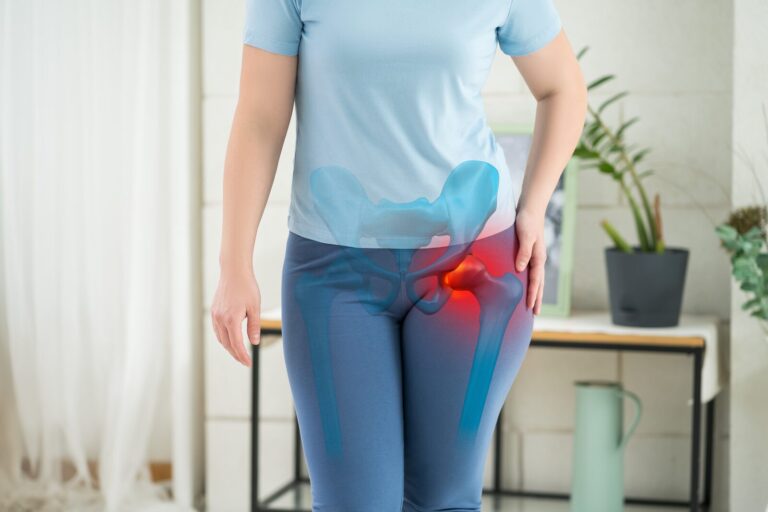
Back pain can range from a dull, nagging sensation across your lower back to sharp, shooting pains that take your breath away. It can be mild or severe, and in some cases the pain can make it difficult to sleep, walk, sit, or carry out basic daily tasks.
What Causes Back Pain?
1. Poor Posture
The amount of time we spend hunched over phones, tablets, and laptops has become a significant contributor to back pain. Leaning your head forward to stare at your phone strains your upper back and neck muscles. Slouching over a laptop throws your whole spine out of alignment. This unnatural positioning compresses the discs and bones in your back, putting too much stress on the lower back area.
Even when you aren’t on a device, sitting for extended periods works against how your body is naturally built. When you sit for too long, the core muscles that support the spine weaken and the hip flexor muscles get tight. This muscle imbalance undermines healthy posture, leaving you prone to lower back pain and stiffness. The human body is designed to move, stretch, bend, and be active throughout the day.
2. Muscle Strain or Sprain
People often injure their backs by lifting heavy objects or lifting them in an unsafe manner. About 40% of individuals engaged in weightlifting report back pain. Lifting excessively can cause overstretching of your back muscles (muscle strain) or damage the ligaments holding the muscles to your bones (sprain). Strain and sprain can also result from coughing, sneezing, twisting, or bending over.
3. Bone Fractures
Bone fractures can be one of the most painful experiences a person endures. Conditions like osteoporosis, which results in loss of bone mineral density, can cause bones to become brittle and more susceptible to fractures.
4. Disc Herniation or Degeneration
When the soft cushion between the bones of your spine wears down due to age, the nerve roots exiting at that level can get compressed. This results in back pain that may radiate down to your buttocks or legs, a condition commonly called sciatica. Trauma or general wear and tear can also cause a disc to herniate, trapping the nerve and producing similar symptoms.
5. Arthritis
Osteoarthritis, the most common form of arthritis, can affect the back and lead to the formation of bony spurs. These growths can be painful on their own and may also compress nearby nerves, resulting in radiating pain.
6. Other Conditions
Health conditions such as cancers and infections can also produce back pain. Structural problems like the narrowing of the spinal canal (spinal stenosis) can compress the spinal cord and cause severe pain, along with other neurological symptoms.
How Can You Manage Back Pain?
Back pain is one of the most common complaints people bring to their doctors, costing the healthcare system billions annually. There are various approaches to managing back pain.
Conventional Management
Often, back pain resolves on its own with proper rest and self-care. Applying ice or taking over-the-counter pain relievers can provide relief. Staying active also helps by improving blood flow and supporting faster healing. Common conventional therapies include medications (NSAIDs, muscle relaxants), physical therapy, intra-articular steroid injections, and surgery in severe cases.
Non-invasive Therapies
Beyond conventional approaches, several non-invasive therapies have been studied for back pain management. These include PEMF therapy (discussed in detail below), hands-on manipulation, acupuncture, transcutaneous electrical nerve stimulation (TENS), yoga and Pilates, biofeedback, heat and cold therapy, and aquatic therapy.
How PEMF Therapy May Help With Back Pain
Pulsed Electromagnetic Field (PEMF) therapy is a non-invasive treatment that uses low-frequency pulsed electromagnetic fields. It has been studied in the context of several conditions, including back pain. Research suggests it may help reduce pain intensity, ease inflammation, and support tissue repair processes.
Potential Mechanisms
PEMF therapy has been studied through several pathways that may be relevant to back pain. The following mechanisms have been identified in published research, though more studies are needed to fully confirm them.
- Endorphin release. PEMF generates an electromagnetic field that may help restore the electrical balance of disturbed cells. Some research suggests it may enhance the release of natural painkillers like endorphins and reduce the transmission of pain signals, which could help with both acute and chronic pain.
- Muscle relaxation. PEMF therapy may help reduce muscle stiffness and soreness, which are common contributors to back pain. The pulsed electromagnetic fields may promote muscle relaxation, reduce muscle spasms, and improve flexibility, potentially easing back pain associated with muscle tension.
- Blood flow. Poor blood circulation contributes to back pain by depriving tissues of oxygen and nutrients necessary for healing. PEMF therapy may improve blood flow by promoting vasodilation (widening of blood vessels), which could allow more blood to reach affected areas and support the healing process.
- Inflammation. Inflammation is a common driver of back pain, as it can irritate nerve endings and cause swelling, stiffness, and discomfort. Studies have shown that PEMF may have anti-inflammatory effects by reducing the production of inflammatory molecules and promoting the release of anti-inflammatory compounds. A 2026 systematic review found that PEMF therapy can inhibit pro-inflammatory cytokines like IL-6 and IL-8 while upregulating anti-inflammatory mediators.
- Cellular repair and mitochondrial support. PEMF therapy may support cellular energy production by enhancing mitochondrial function, which plays a role in cellular repair. By potentially increasing ATP (energy) production, PEMF therapy could help support the body’s natural healing mechanisms in damaged or injured tissues.
What Does the Research Say About PEMF for Back Pain?
Several published studies have examined the effects of PEMF therapy on back pain. Here is what the current evidence shows.
- Pain and Disability in Chronic Low Back Pain
A study published in the European Journal of Physical and Rehabilitation Medicine found that PEMF therapy showed improvements in pain and disability scores in patients with chronic low back pain, suggesting it may be a useful addition to standard treatment approaches.
- Intervertebral Disc Degeneration
Research published in Spine Journal found that PEMF therapy may help support intervertebral disc health by enhancing extracellular matrix production and promoting autophagy in degenerated nucleus pulposus cells. This suggests a potential role in supporting disc integrity, though more clinical trials are needed.
- Systematic Review of Chronic Low Back Pain
A systematic review of nine randomised controlled trials explored the effectiveness of PEMF therapy for chronic low back pain. Five of the nine studies showed significant pain reduction and improved physical function in the PEMF group compared to controls. The researchers concluded that PEMF appears to be a safe option, particularly when combined with conventional physical therapy, though they noted the overall evidence quality ranges from low to moderate.
- Non-Specific Low Back Pain
A randomised controlled trial evaluated the effects of PEMF therapy (50 Hz frequency, 20 Gauss intensity) on patients with chronic non-specific low back pain. Results showed significant improvements in the PEMF group for pain reduction, decreased functional disability, and enhanced lumbar range of motion compared to the control group. The researchers concluded that adding PEMF to conventional physical therapy protocols improved clinical outcomes.
- Pain Intensity and Functionality
A systematic review covering studies from 2005 to 2015 assessed PEMF therapy’s effects on patients with low back pain. The review found that PEMF therapy was associated with reduced pain intensity and improved functionality, though the researchers noted that larger and more rigorous trials are still needed.
Where Can You Access PEMF Therapy?
Clinic-Based PEMF Therapy
Wellness and healthcare centres offer clinic-based PEMF therapy as part of broader treatment plans. These clinics typically use professional-grade devices and may combine PEMF with other therapies. The downside is that regular appointments can be expensive and time-consuming.
At-Home PEMF Devices
At-home PEMF devices offer a more convenient and cost-effective alternative to clinic visits. These are one-time purchases that let you schedule therapy sessions around your routine and use the device wherever you’re comfortable.
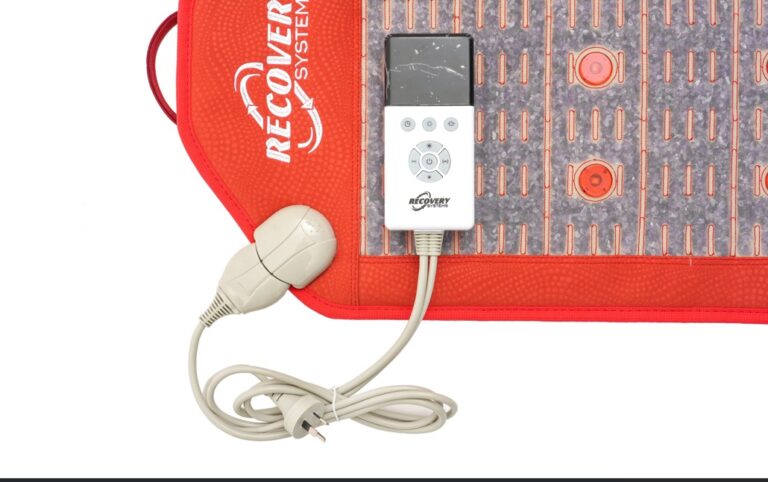
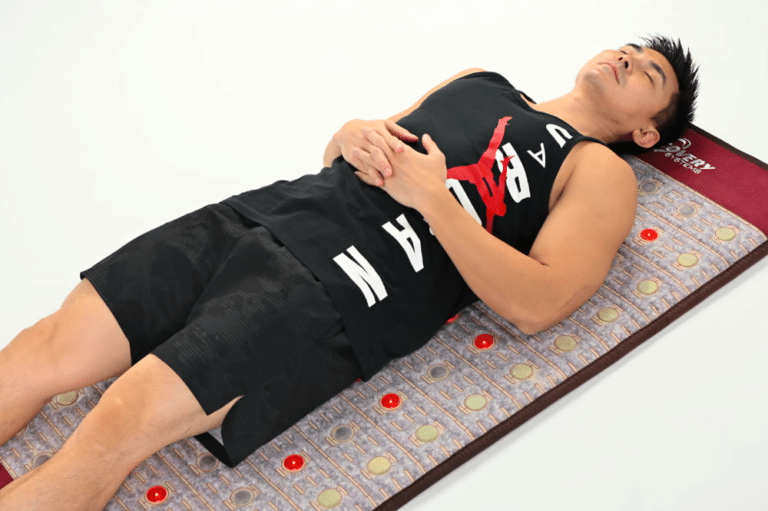
Recovery Systems’ PEMF BioMats combine multiple recovery modalities in a single device. In addition to PEMF therapy, these mats incorporate negative ion generation, far infrared heat, surface heat therapy, and red light (photon) therapy. This combination of five modalities is designed to work together to support recovery and comfort.
The BioMats come in three sizes to suit different needs.
- Standard (Medium) PEMF Bio Qi Mat is ideal for targeted use on a chair, couch, or floor.
- Large PEMF Bio Qi Mat is designed for taller individuals and can be used on a bed or floor for full-body sessions.
- Qi Mat Office Chair fits standard office chairs, making it a good option for people who sit for extended periods during work.
All BioMats deliver the same PEMF therapy. Choose the size and format that fits your situation. Every mat comes with a manufacturer warranty.
What Frequency Is Used in PEMF Research for Back Pain?
Studies investigating PEMF therapy for lower back pain have reported positive results with frequencies ranging from 10 to 50 Hz, particularly at low intensity (around 20 Gauss). While researchers have not established a single optimal frequency, this range has shown the most consistent results across published trials for managing pain and supporting physical function in patients with chronic low back pain.
Conclusion
PEMF therapy shows promising potential as a non-invasive, drug-free approach that may help manage chronic back pain. Several published studies have found associations between PEMF use and reduced pain intensity, improved physical function and range of motion, and support for the body’s natural repair processes. The strongest evidence so far comes from its use alongside conventional physical therapy rather than as a standalone treatment.
The research is encouraging, but it’s still developing. Most systematic reviews note that study quality varies and larger trials are needed to establish firm conclusions. If you’re considering PEMF therapy for back pain, talk to your healthcare provider about whether it could be a useful addition to your current treatment plan.
Frequently Asked Questions
Is PEMF therapy a replacement for medical treatment for back pain?
No. PEMF therapy is best understood as a potential complement to conventional treatments, not a replacement. The studies that have shown the strongest results used PEMF alongside physical therapy, not instead of it. Always consult your healthcare provider before starting any new therapy, especially if you have a serious spinal condition.
Is a pulse stimulator good for lower back pain?
Pulse stimulators, commonly called Transcutaneous Electric Nerve Stimulation (TENS) devices, have been studied for lower back pain with mixed results. Some individuals report reduced pain intensity when using TENS. TENS works differently from PEMF. It delivers low electrical current through electrodes placed on the skin near the pain area, while PEMF uses electromagnetic fields that penetrate deeper into tissues without direct skin contact.
Is magnet therapy the same as PEMF therapy?
No. Static magnet therapy uses constant magnetic fields from permanent magnets, and the research on its effectiveness for back pain has been inconclusive. Some studies found modest benefits while others found no difference compared to placebo. PEMF therapy is different because it uses pulsed (not static) electromagnetic fields at specific frequencies, and the evidence base for PEMF is stronger, particularly for pain reduction in combination with physical therapy.
How often should I use PEMF therapy for back pain?
Most clinical studies used sessions of 20 to 30 minutes, applied daily or several times per week. The optimal protocol hasn’t been firmly established, so the best approach is to start with shorter sessions and increase gradually based on how your body responds. If you’re using an at-home device, follow the manufacturer’s guidelines and discuss a schedule with your healthcare provider.
What frequency is best for PEMF therapy for back pain?
Published studies have reported results with frequencies between 10 and 50 Hz at low intensity (around 20 Gauss). There isn’t a single proven “best” frequency. Recovery Systems PEMF BioMats come with adjustable controllers so you can try different settings within the range used in research.
| WRITTEN BY Michael Lyons Michael Lyons is a recovery specialist with three decades of tech and Meditech experience and 15,000+ hours in endurance sports coaching. The author is not a licensed physician or medical professional. The health information in this article represents the author’s research and personal perspective, not professional medical advice. MEDICALLY REVIEWED BY Ayman Shafique, PharmD Ayman Shafique is a licensed pharmacist with expertise in pharmacology and medical writing. Her work focuses on reviewing and developing evidence-based health and wellness content, ensuring scientific accuracy, clarity, and alignment with current pharmaceutical research. She specialises in translating complex pharmacological and medical information into accessible, reliable content for public and professional audiences. |
| Medical DisclaimerThis article is for informational and educational purposes only and should not be considered medical advice. The author is a recovery specialist, not a licensed medical doctor or healthcare provider. Health-related claims discussed in this article are based on emerging research and should not replace professional medical consultation. Many claims remain theoretical and require further scientific validation. Individual results may vary. Before using any therapy device or making health decisions based on this article, please consult a qualified healthcare professional, especially if you have existing injuries, infections, cardiovascular conditions, an implanted device such as a pacemaker, are pregnant, or are undergoing post-surgical recovery. Commercial DisclosureThis website sells PEMF recovery products, including BioMat technology. The author and company have a commercial interest in promoting these products. Those consumer products are distinct from the prescription bone growth stimulators described here, which are medical devices with their own regulatory clearances. Content is written to be as accurate and balanced as possible, and all product recommendations are supported by the cited research context. |
Originally Published::

Author:
Michael Lyons is a biohacking and recovery specialist with three decades of tech and Meditech experience and 15,000+ hours in endurance sports coaching.