PEMF Therapy and Joint Pain: What the Research Really Shows (Including What It Doesn’t)
Last Updated::

There’s a lot written online about PEMF (Pulsed Electromagnetic Field) therapy, and a fair amount of it promises more than the research supports. We’d rather tell you what the clinical trials actually found — the encouraging parts and the uncertain parts — so you can make an informed decision rather than a hopeful one.
What PEMF therapy actually is
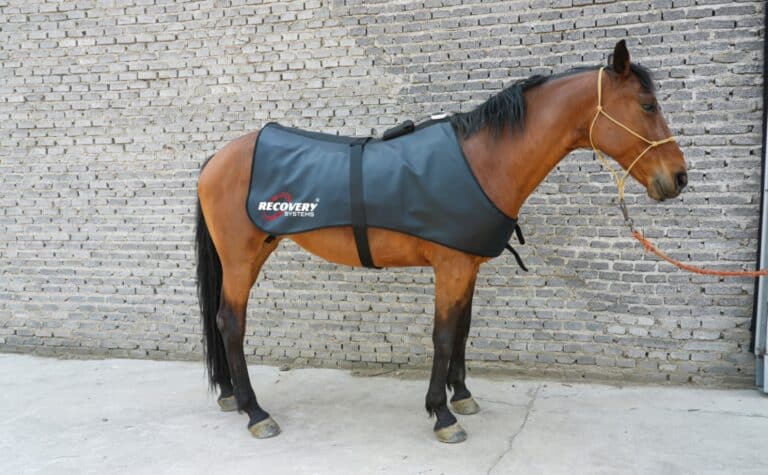
PEMF therapy uses low-frequency electromagnetic fields, delivered via a mat, pad, or targeted device, to influence cellular activity, circulation, and inflammatory processes in the body. It’s been used in orthopaedic medicine for decades — most notably for supporting bone healing in certain fracture cases — and has more recently become popular as a general recovery and wellness tool.
The question worth asking isn’t “does PEMF do anything” — it’s “what, specifically, does the evidence support, and how strongly?” That’s a different, more useful question, and the honest answer is: it depends on what you’re using it for.
The strongest evidence: knee osteoarthritis, with a caveat
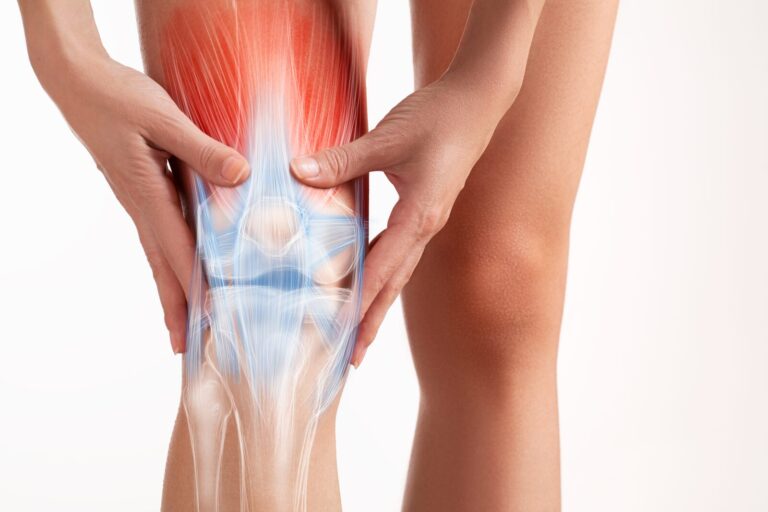
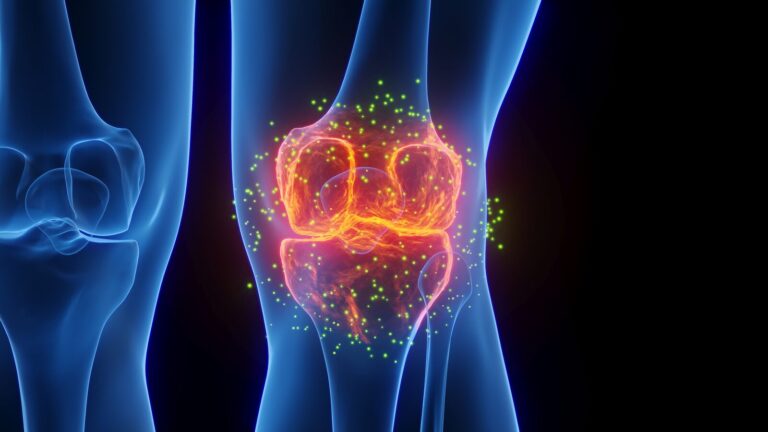
Knee osteoarthritis is the condition where PEMF has been studied most rigorously, in multiple randomised, placebo-controlled trials pooled into systematic reviews. Here’s where the research actually lands:
A 2019 systematic review and meta-analysis published in the Journal of Rehabilitation Medicine, pooling data from eight randomised controlled trials involving 421 patients with knee osteoarthritis, found that PEMF therapy produced a meaningful improvement in physical function — but showed no clear advantage for reducing pain or stiffness compared with placebo.
A separate, independent 2020 systematic review and meta-analysis published in Physical Therapy — a leading journal in the field — reached a broadly similar conclusion: PEMF showed benefits for physical function and quality-of-life measures in patients with osteoarthritis, with more mixed results for pain.
That’s an unusually consistent, and unusually honest, signal from independent research teams: PEMF appears to help people move better, more than it helps people hurt less. That’s a real, useful finding — but it’s a more modest claim than a lot of marketing copy suggests, and it’s worth knowing the difference before you decide what to expect.
A third trial worth noting — a double-blind, placebo-controlled randomised study published in the journal Rheumatology — did find pain benefits in its specific patient group, which is part of why the picture across the whole body of research is “encouraging but not uniform” rather than “settled.” Individual trials vary, which is normal and expected in this kind of research, but this means broad claims of guaranteed pain relief go beyond what the evidence currently supports.
What this means in practice
If you’re living with knee osteoarthritis and considering PEMF, here’s a fair summary of where the evidence stands:
- Reasonable to expect: some improvement in physical function and day-to-day mobility, based on multiple independent meta-analyses.
- Not reliably supported by current evidence: a consistent, guaranteed reduction in pain intensity. Some studies show it, some don’t, and the overall picture across pooled trials is closer to “no clear advantage over placebo” for pain specifically.
- A reasonable role: as one part of a broader management plan — alongside exercise, physiotherapy, and other evidence-based approaches — rather than as a stand-alone solution.
This is also, frankly, a more encouraging picture than “no effect at all.” Multiple independent research teams, using different patient groups and slightly different protocols, continue to find a real functional benefit. That’s a genuinely useful thing for an at-home recovery tool to offer, even without overselling the pain-relief side.
What about other applications — sleep, inflammation, general recovery?
PEMF is also widely used and marketed for sleep support, general inflammation, and athletic recovery. The research picture here is less mature than for knee osteoarthritis specifically — there are promising smaller studies and a genuine, decades-old track record in fracture healing, but the large, independently replicated meta-analyses that exist for osteoarthritis don’t yet exist at the same scale for these broader claims. That doesn’t mean these applications don’t work — it means the evidence is still developing, and it’s honest to say so rather than imply a settled scientific consensus that isn’t there yet.
The bottom line
The clinical trial evidence on PEMF and knee osteoarthritis is real, published in reputable peer-reviewed journals, and consistent enough across independent research teams to be taken seriously — particularly for physical function. It is not, based on the current pooled evidence, a guaranteed fix for pain. Anyone telling you otherwise is going further than the research currently supports.
If you’re considering PEMF as part of a recovery routine, the most honest framing is this: it’s a low-risk, non-invasive modality with real evidence for functional improvement in at least one well-studied condition, and a growing but less mature evidence base elsewhere. That’s a legitimate reason to try it as part of a broader approach — not a reason to expect it to replace medical treatment, physiotherapy, or exercise.
Sources
Chen, L., Duan, X., Xing, F., Liu, G., Gong, M., Li, L., Chen, R., & Xiang, Z. (2019). Effects of pulsed electromagnetic field therapy on pain, stiffness and physical function in patients with knee osteoarthritis: A systematic review and meta-analysis of randomised controlled trials. Journal of Rehabilitation Medicine, 51, 1–7. https://doi.org/10.2340/16501977-2613
Yang, X., He, H., Ye, W., Perry, T. A., & He, C. (2020). Effects of pulsed electromagnetic field therapy on pain, stiffness, physical function, and quality of life in patients with osteoarthritis: A systematic review and meta-analysis of randomised placebo-controlled trials. Physical Therapy, 100(7), 1118–1131. https://doi.org/10.1093/ptj/pzaa054
Bagnato, G. L., Miceli, G., Marino, N., Sciortino, D., & Bagnato, G. F. (2016). Pulsed electromagnetic fields in knee osteoarthritis: A double blind, placebo-controlled, randomised clinical trial. Rheumatology (Oxford), 55(4), 755–762. https://doi.org/10.1093/rheumatology/kev426
Please verify these citations against the original publications before publishing, per standard editorial practice.
About the Author
Michael Lyons
With three decades of tech and Meditech experience and 15,000 hours of endurance sports coaching and competing at the NZ national team level, Michael’s passion is biohacking recovery and wellness for athletes, for those with short- and long-term medical conditions, and healthy ageing.
Michael consults and partners with leading medical practitioners to provide therapy solutions for short- and long-term illnesses, including diabetes, DVT, lymphedema, pre- and postnatal, post-surgery, autism (ASD), PTSD, and sleep apnea.
On the athlete side, Michael consults and partners with high-performance sports organisations, three Olympic gold medalists, two current world champions, the Rugby World Cup, NZ Rugby, the Singapore Olympic team, the NZ Olympic team, clubs and coaches. He also teaches the recovery modules for the fitness industry’s personal training courses.
Originally Published::

Author:
Michael Lyons is a biohacking and recovery specialist with three decades of tech and Meditech experience and 15,000+ hours in endurance sports coaching.