PEMF Biomats: Answers to the Questions Everyone Is Asking
Last Updated::
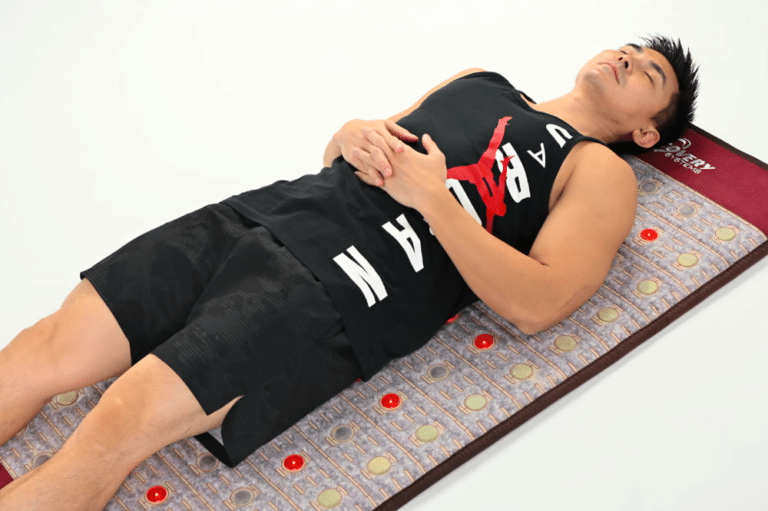
PEMF mats sit in an odd spot in the wellness world. Search Reddit, and you’ll find people in r/pemf and r/ChronicPain crediting them with real relief, alongside sceptics in the same threads asking whether the whole category is dressed-up marketing. Both reactions are understandable, because the honest answer depends entirely on which claim you’re evaluating. Some uses have real clinical backing. Others are supported mostly by anecdote. This guide separates the two, using published research and manufacturer safety information rather than product marketing.
Do PEMF mats really work?
It depends on what you mean by “work.” Pulsed electromagnetic field (PEMF) therapy has a genuine, published research base. Still, almost all of it comes from clinical studies using targeted medical PEMF devices for specific conditions, not full-body consumer mats used at home. Systematic reviews on PEMF for knee osteoarthritis and low back pain report measurable improvements in pain scores in some trials (MDPI systematic review; PMC review, low back pain), and a review on soft-tissue injuries found PEMF “appears safe and effective for reducing pain,” while noting evidence for improved physical function is inconclusive and often based on lower-quality, heterogeneous trials (PMC systematic review).
The honest gap: consumer full-body mat use for general wellness is a separate, far less studied application from the targeted clinical protocols in these trials. If a claim can’t be traced to a specific study using a comparable device and protocol, treat it as anecdotal rather than proven, and I’d encourage you to look at the primary research yourself rather than take any single article’s word for it, including this one.
What’s the difference between a PEMF mat and a “Biomat”?
This trips a lot of people up, and it’s worth clarifying because the two terms aren’t interchangeable. Historically, “Biomat” refers to Richway’s original amethyst mat, which uses far infrared (FIR) heat and negative ion technology, not active PEMF coils. It’s a heat and infrared product, not a PEMF product, despite the two categories often being discussed side by side.
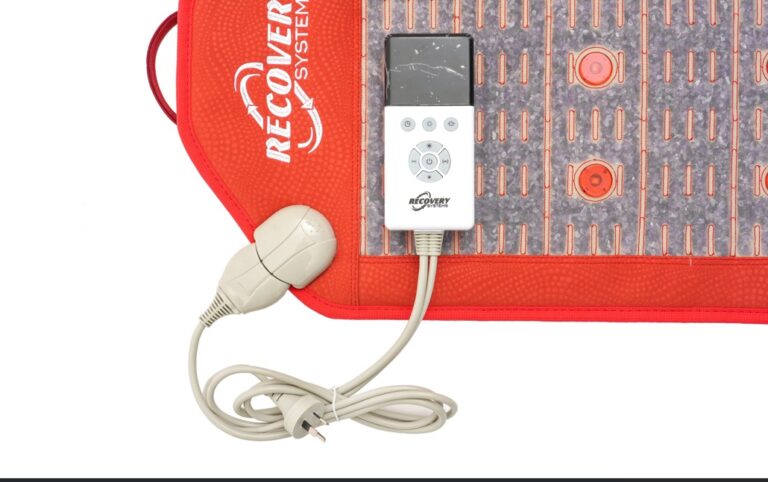
Since then, “biomat” has also become a looser, generic term some brands use for combination mats that layer PEMF alongside far infrared, negative ions, heat, and sometimes red or photon light in one device. Recovery Systems’ own Qi Mat line falls into this second category: it combines PEMF, far infrared, negative ions, heat, and red light therapy in a single mat, rather than being a pure PEMF-coil-only product or a Richway-style infrared-only mat. When comparing products, check what technologies are actually inside the mat rather than assuming “biomat” and “PEMF mat” always mean the same thing.
Are PEMF mats FDA-approved?
This deserves a precise answer rather than a marketing one. PEMF devices generally fall under FDA Class II, meaning some have received 510(k) clearance. Still, clearance means the device was found substantially equivalent to an existing approved device for a specific, narrow use, such as certain non-union fracture healing or specific post-surgical indications. It is not a broad finding that a mat is effective for pain, sleep, anxiety, digestion, or general wellness. Separately, mats that are primarily heating pads with far infrared and amethyst crystals (the original Biomat design) may hold 510(k) clearance in the powered heating pad category specifically, which is a different clearance than a PEMF-specific indication. If a specific health claim matters to your purchase decision, ask the manufacturer which clearance covers which claim, and verify it rather than assuming “FDA cleared” applies to everything the product is marketed for.
Who should not use a PEMF mat?
This is the question to take most seriously before buying. The one broadly agreed-upon absolute contraindication is use directly over or near implanted electronic devices, including pacemakers, cochlear implants, and intrathecal pumps, because the magnetic field can interfere with how they function. Manufacturer guidance commonly recommends keeping active PEMF applicators well clear of such devices.
Beyond that, PEMF use is generally considered contraindicated or requiring medical clearance for pregnancy (due to a lack of safety studies, not documented evidence of harm), active seizure disorders or epilepsy, active bleeding or bleeding disorders, active cancer, and organ transplant patients. If any of these apply to you, talk to your physician before using a PEMF mat, and don’t rely on a product listing’s safety section as a substitute for that conversation.
How long should you use a PEMF mat each day, and how often?
Protocols vary by device and intensity, and manufacturer manuals are the most reliable source for your specific mat rather than a general rule. That said, most consumer guidance and study protocols cluster around 15 to 60 minute sessions, once or twice a day. Higher intensity settings generally call for shorter sessions. If your mat’s manual gives different guidance than something you’ve read online, follow the manual.
Can you use too much PEMF? Is there an “overdose” risk?
Compared to pharmaceuticals, PEMF has a wide safety margin at consumer intensities, and serious adverse events are not well documented in the literature we reviewed. That said, some users report mild, temporary effects when starting, such as light-headedness, tingling, or a brief increase in discomfort before things settle (sometimes described informally as a “detox” reaction, though that specific framing isn’t a term we could verify against clinical literature). If you notice new or worsening symptoms, stop and check with a doctor rather than pushing through on the assumption that “more is better.” There isn’t strong published evidence establishing an upper safety ceiling for consumer mats, so moderation and following the manufacturer’s stated limits is the reasonable default.
Can you sleep on a PEMF mat all night?
Some mats are explicitly designed and marketed for overnight use at low intensity; others are not, and this varies by manufacturer, so check your specific product’s manual rather than assuming all mats are rated for it. If overnight use isn’t specified as safe for your model, don’t assume it is.
Do you wear clothes on a PEMF mat, and does it work through clothing?
Generally yes: PEMF and far infrared both penetrate normal clothing, and most manufacturers recommend wearing light clothing rather than direct bare-skin contact, particularly for mats that include a heat element, to avoid burns. Thick materials, metal zippers, or synthetic fabrics close to the skin may be worth avoiding depending on your specific mat’s heat settings. Check your manual for anything model-specific.
How much does PEMF therapy cost at home versus in a clinic?
Consumer PEMF and combination biomats span a wide range, roughly $200 on the low end up to $4,000+ for premium multi-therapy systems, with a commonly cited “sweet spot” for full-featured home mats somewhere around $700 to $1,500. Clinical or professional-grade PEMF systems used in physical therapy or chiropractic settings can run into the tens of thousands of dollars, and a single clinic session typically costs a per-visit fee rather than a one-time purchase. These figures are general market estimates that shift over time and by brand, so verify current pricing directly with any retailer before budgeting, and compare that against your specific mat’s price point on the Recovery Systems site.
Do PEMF mats help with chronic pain, back pain, or osteoarthritis?
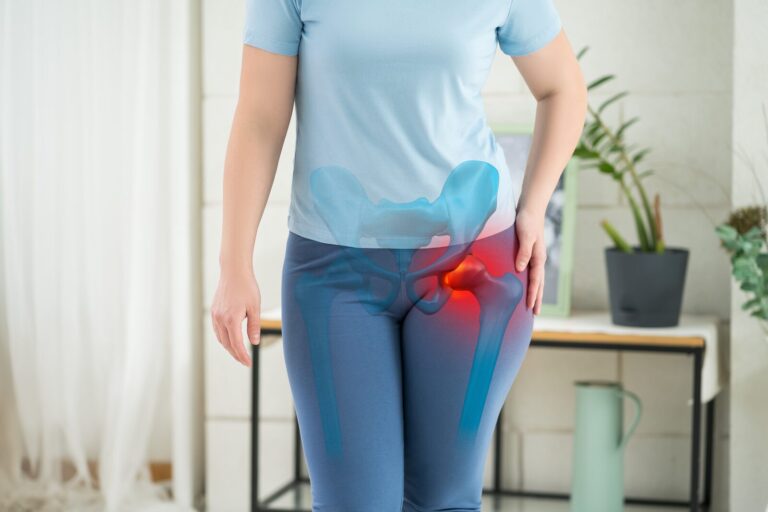
This is one of the better-supported use cases in the research base. Reviews on knee osteoarthritis report meaningful reductions in pain scores in some trials, and multiple reviews on low back pain report improvement in short-term pain and function, though study quality varies and results aren’t uniform across all trials (MDPI, osteoarthritis; PMC, low back pain). If chronic pain is your main reason for considering a mat, this is the area with the most research to point to, though individual results still vary and a mat shouldn’t replace a diagnosed treatment plan from your doctor or physical therapist.
Can PEMF help with migraines?
The evidence here is genuinely mixed, and I’d flag any confident claim in either direction as overstated. At least one randomised, placebo-controlled study reported improvement in headache days and intensity with active PEMF compared to placebo. At the same time, other controlled research found migraine frequency and intensity dropped similarly in both the active and placebo groups, suggesting much of the apparent benefit may not be attributable to the magnetic field itself (ScienceDirect / PubMed, migraine trial). If you’re considering a mat specifically for migraines, treat it as a “might help, not proven” category, and keep working with your neurologist on established treatments in parallel.
Can PEMF mats help with sleep, anxiety, or digestion?
These are the claims we’d flag as weakest in terms of direct, mat-specific evidence. There’s biological plausibility; relaxation and warmth from infrared heat can support a calmer nervous system state for many people, and better sleep and lower stress are commonly self-reported by users. But we could not identify strong, specific clinical trial evidence directly testing consumer PEMF mats against sleep, anxiety, or digestive outcomes. If these are your primary goals, treat improvement as a reasonably plausible bonus rather than a documented, guaranteed outcome, and continue prioritising sleep hygiene, stress management, and gut health approaches with independent evidence behind them.
How long does it take to feel results?
This varies enormously by person and by what you’re targeting. Some users report feeling warmer, more relaxed, or looser within a single session, largely attributable to the heat and infrared components. Pain-specific benefits in the clinical literature are generally measured over weeks of repeated sessions, not a single use. Be wary of any claim promising fast, dramatic results after one or two sessions.
What should you look for when choosing a PEMF mat?
Beyond marketing language, it’s worth checking exactly which technologies are inside the mat (PEMF coils, far infrared, negative ions, heat, red or photon light are all different mechanisms with different evidence bases), what frequency and intensity ranges are adjustable, whether the mat is rated for overnight use if that matters to you, and what warranty and return policy the manufacturer offers. Matching the mat’s features to the specific outcome you care about most, rather than buying based on the longest features list, is the more useful filter.
A note on how this article was researched: the questions above were pulled from real discussions on Reddit communities including r/pemf, r/migraine, r/ChronicPain, r/Fibromyalgia, and r/sleep, and checked against published systematic reviews, randomised controlled trials, and manufacturer safety documentation where available. Some questions, particularly around sleep, anxiety, and digestion, don’t have strong direct evidence either way; we’ve flagged those honestly rather than overstating them. Medical and safety information can change, so verify anything relevant to your specific health situation with your doctor, and confirm device-specific guidance with the manufacturer’s manual before use.
If you’d like to compare PEMF and combination biomat options, including the 5-in-1 Qi Mat line, you can browse the full range at Recovery Systems.
Sources
- Current Evidence Using Pulsed Electromagnetic Fields in Osteoarthritis: A Systematic Review, MDPI
- Efficacy of pulsed electromagnetic field therapy on pain and physical function in low back pain, PMC
- The effects of pulsed electromagnetic field therapy on pain and physical functions in soft tissue injuries, PMC
- Peripheral pulsed electromagnetic fields in migraine, randomised controlled trial, PubMed
- FDA Approvals for PEMF Devices: Key Milestones and Timeline, PurePEMF
- BioMat Review: Design, Materials, and Practical Considerations, PEMF Advisor
- Recovery Systems Sport
Originally Published::

Author:
Michael Lyons is a biohacking and recovery specialist with three decades of tech and Meditech experience and 15,000+ hours in endurance sports coaching.