
PEMF Therapy for Bone Repair and Why It Works So Well
Last Updated::
Bone is one of the few tissues in the body that can rebuild itself back to near-original strength. That regenerative ability is remarkable, but it isn’t guaranteed. Roughly one in ten fractures fails to heal cleanly, drifting into what surgeons call delayed union or non-union. For patients, that means months of extra pain, disability, and often a second operation. For healthcare systems, it means billions in avoidable costs.
Pulsed electromagnetic field therapy, usually shortened to PEMF, sits in an interesting place inside orthopedics. It’s non-invasive, painless, backed by more than four decades of clinical use, and yet still surrounded by mixed research signals and marketing hype. The technology dates back to the pioneering work of Dr. Andrew Bassett at Columbia University, whose research led the FDA to clear PEMF devices for non-union fractures in 1979.
This guide walks through what PEMF actually does at the cellular level, what the newest systematic reviews say, how it compares to alternatives like ultrasound and vibration platforms, and who is most likely to benefit.
The Global Cost of Bones That Don’t Heal
Fractures are far more common than most people realize. The International Osteoporosis Foundation reports that up to 37 million fragility fractures happen worldwide each year in people over 55, based on the 2019 Global Burden of Disease study. That’s about 70 broken bones every minute. Add in trauma from sports, road accidents, and occupational injury, and the scale becomes staggering.
The bigger clinical problem isn’t the initial break, however. It’s what happens next. According to the StatPearls Fracture Healing Overview, failed or delayed healing can affect up to 10 percent of all fractures, driven by factors like comminution, infection, tumor, or disrupted vascular supply. Smoking, diabetes, poor blood supply, and infection stack the odds against clean healing.
Traditional care revolves around immobilization, pain control, and, when needed, surgery with plates, screws, or bone grafts. Those tools work most of the time. What they don’t do is actively push bone cells to build faster or better. That gap is where PEMF and other biophysical stimulators come in. They aren’t a replacement for reduction and fixation. They’re a way to give the biology a nudge.
What Pulsed Electromagnetic Field Therapy Actually Does
PEMF devices generate short, repeated bursts of a low-intensity electromagnetic field. The field passes through skin, muscle, and bone without heating them and without any sensation for the patient. The key word is pulsed. Rather than a continuous field, PEMF cycles the signal on and off many times per second, which is what appears to drive the biological response.
When these pulsed fields cross biological tissue, they induce very small electrical currents inside the body. Bone cells are electrically sensitive. Osteoblasts, the cells that build new bone, and osteoclasts, the cells that resorb it, both respond to these micro-currents. Cartilage cells, blood vessel cells, and immune cells respond too. PEMF isn’t a single-target therapy. It’s more like a broad biological signal that different tissues interpret in different ways.
The waveform matters. Most FDA-cleared bone growth stimulators use a specific pulse pattern developed from Bassett’s original work, usually delivered at around 15 Hz. Newer devices experiment with different frequencies and intensities. Most consumer PEMF mats sit in the same low-frequency window as clinical units, though at lower field strengths.
A Short History of PEMF in Orthopedic Medicine
Bone’s response to electricity has been known since the 1950s, when Yasuda and Fukada discovered the piezoelectric effect in bone. When bone is loaded and flexed, it generates tiny electrical potentials. Researchers hypothesized that if bone naturally uses electrical signals to sense mechanical load and remodel itself, then applying similar signals externally might drive the same processes.
Dr. Andrew Bassett at Columbia University spent the 1960s and 1970s translating that idea into clinical practice. His team developed the specific pulsed waveforms that would later become the standard signal for bone growth stimulators. The FDA cleared PEMF for non-union fractures in 1979, and the field grew from there. NASA studied PEMF for astronauts losing bone mass in microgravity. Veterinarians adopted it for equine leg injuries. Home units eventually made it accessible outside the clinic.
Today, PEMF sits inside a broader family of biophysical stimulators that includes direct current stimulation, capacitive coupling, and low-intensity pulsed ultrasound. Each targets slightly different aspects of bone biology. PEMF’s advantage is that it works without direct skin contact, penetrates casts and dressings, and requires no gel or coupling medium.
Phases of Fracture Healing and Where PEMF Fits In
Bone repair moves through four overlapping stages. Understanding them helps explain why PEMF influences some phases more than others, and why timing of treatment matters clinically.
1. Inflammation, Days One to Seven
Right after a fracture, blood vessels rupture and a clot forms at the site. This hematoma is the scaffolding for everything that follows. Inflammatory cells arrive, release cytokines and growth factors, and clear damaged tissue. PEMF appears to modulate this early inflammatory response, dampening excessive inflammation while preserving the signaling that recruits repair cells.
2. Soft Callus, Weeks Two to Three
Fibroblasts and chondroblasts move into the hematoma and start laying down collagen and cartilage. This soft, flexible tissue bridges the fracture gap. PEMF appears to accelerate this phase by increasing chondrocyte activity and matrix production.
3. Hard Callus, Weeks Four to Sixteen
The soft callus mineralizes into woven bone through endochondral ossification. This is where PEMF may have its strongest and most consistent influence. Osteoblast activity ramps up, and imaging starts to show visible callus formation. Non-union fractures typically stall in this phase, which is one reason PEMF earns its keep as a rescue therapy for stalled healing.
4. Remodeling, Months to Years
The hard callus is reshaped over months and years back toward the bone’s original architecture. Osteoclasts remove excess material, osteoblasts fine-tune the shape, and mechanical loading directs the process. PEMF may support this longer arc, though most clinical research focuses on the earlier consolidation phases where union rates are measured.
The Cellular Mechanisms Behind PEMF and Faster Bone Repair
For decades PEMF was considered clinically useful but mechanistically mysterious. Recent molecular biology work has changed that. A 2024 comprehensive review in Bioengineering pulled together what’s now known about how PEMF acts on osteoblasts, from the cell membrane down to gene expression.
1. Adenosine Receptors and Second Messenger Cascades
PEMF appears to stimulate special receptors called A2A and A3 on the surface of osteoblasts, the cells responsible for building new bone. Once these receptors are activated, they switch on a series of internal signaling pathways that tell the cells how to respond. Two of the most important are the Wnt/β-catenin pathway, which helps control new bone formation, and the MAPK pathway, which encourages bone cells to grow and multiply. In simple terms, these pathways allow bone cells to turn PEMF’s electromagnetic signals into the biological processes that support bone repair and growth.
2. BMP, Smad Signaling, and Bone Gene Expression
A 2023 study looked at how PEMF affects bone cells in mice that were used to model bone loss after menopause. The researchers found that PEMF reduced the activity of a small genetic regulator called miR-6976-5p. This allowed a protein called Smad4 to become more active, which switched on the BMP signaling pathway, one of the body’s key systems for building new bone. As a result, more immature cells developed into osteoblasts, the cells responsible for making bone. Interestingly, when researchers blocked miR-6976-5p directly, they saw many of the same bone building effects. This suggests that this pathway plays an important role in how PEMF supports bone growth.
3. Angiogenesis and Blood Supply at the Fracture Site
A 2024 review found that PEMF may also help the body grow new blood vessels around a healing fracture. This happens by increasing the activity of VEGF and other natural proteins that support blood vessel growth. Better blood flow means more oxygen and nutrients can reach the healing bone, which is essential for repair. Without a healthy blood supply, bones struggle to heal properly. Even if PEMF’s direct effects on bone-building cells are modest, improving circulation around the fracture can still make a meaningful difference, especially in fractures with poor blood supply.
What Recent Meta-Analyses Reveal About PEMF and Bone Healing
The clinical evidence for PEMF has evolved significantly in the last five years. The picture is more nuanced than either enthusiasts or skeptics typically present.
A 2020 systematic review and meta-analysis in Bioelectromagnetics combined the results of 22 high quality clinical trials involving 1,468 patients. It found that nearly 8 out of 10 people treated with PEMF experienced successful bone healing, compared with about 6 out of 10 people who received a placebo treatment. In other words, people using PEMF were more likely to heal successfully. The review also found that PEMF helped reduce pain and may have helped bones heal faster. The researchers had moderate confidence in the findings for bone healing and pain relief. They were less confident about the results for healing time because the studies used different treatment methods and measured recovery in different ways.
Another 2022 network meta-analysis published in BMC Musculoskeletal Disorders reviewed 30 randomized clinical trials that looked at treatments for fractures that were healing slowly or had stopped healing altogether. The researchers found that electromagnetic field therapies, including PEMF, improved the chances of successful bone healing compared with standard care. They also noted a slightly higher rate of minor side effects than with some other treatments.
One more 2025 network meta-analysis in Frontiers in Medicine combined data from 39 studies involving 2,379 patients and compared seven different non-invasive therapies used to support fracture healing. PEMF was one of several treatments that significantly improved healing. However, when the therapies were compared directly, low level laser therapy and electrical stimulation provided the greatest pain relief, while capacitively coupled electric field stimulation ranked highest for helping bones heal.
PEMF Outcomes in Non-Union and Delayed Union Fractures
Non-unions are the clinical situation where PEMF has the longest and clearest track record. When a fracture stops progressing on its own, the two main options are surgery or biophysical stimulation. Surgery is invasive, expensive, and carries its own complications. PEMF is worn or applied at home for a set number of hours per day, usually for several months.
A 2026 multi center study published in Orthopedic Reviews followed 56 patients whose fifth metatarsal fractures had failed to heal properly. All of them were treated with a PEMF bone growth stimulator. By four months, 62.5 percent of patients had achieved bone healing. That increased to 75 percent after six months, and by one year, 91 percent had healed successfully. The study also found that people who used nicotine took longer to heal, which is consistent with previous research showing that smoking slows bone repair.
The fifth metatarsal, especially a Zone II fracture known as a Jones fracture, is one of the most difficult bones to heal because it has a limited blood supply. Achieving a 91 percent healing rate with a non-invasive treatment is therefore a promising result. While these outcomes may not apply to every type of fracture or every patient, the findings suggest that PEMF can be a valuable treatment option before considering another surgery.
Bone Density, Osteoporosis, and Long-Term Skeletal Health
PEMF’s usefulness isn’t limited to fractures. Bone density itself responds to pulsed electromagnetic stimulation, which has interesting implications for osteoporosis prevention and management. A 2022 systematic review in Bioelectromagnetics pooled 19 randomized trials covering 1,303 patients with postmenopausal osteoporosis. Compared with conventional medication alone, adding PEMF significantly increased lumbar and femoral bone mineral density, improved bone-specific alkaline phosphatase and osteocalcin markers, and reduced pain scores. Compared with placebo, PEMF alone increased femoral BMD and lowered pain, though the effect on lumbar spine BMD was less clear.
For someone concerned about age-related bone loss, PEMF is best thought of as one input among several. Weight-bearing exercise, resistance training, vitamin D and calcium sufficiency, and appropriate medical therapy remain the foundation. PEMF sits alongside those, not in place of them. Its appeal for people who can’t tolerate osteoporosis medications, or who want to stack modalities, is genuine.
Cartilage, Joint Pain, and Osteoarthritis Outcomes
Bone doesn’t exist in isolation from the joints it forms. Cartilage sits on top of bone at every joint, and cartilage health directly affects bone health underneath. This is why PEMF research increasingly includes osteoarthritis endpoints, especially at the knee.
A systematic review and meta-analysis published in Medicina in 2026 analyzed nine randomized controlled trials involving 457 people with knee osteoarthritis. The results showed that people receiving PEMF experienced noticeable pain relief after about 18 to 21 days of treatment. However, this improvement was less clear after one month. By the one month mark, participants reported less joint stiffness and found everyday activities, such as walking and climbing stairs, easier to perform. The researchers also found that higher frequency PEMF provided faster pain relief, while stronger magnetic field strengths were more effective at improving physical function. Although these improvements were statistically significant, they were not always large enough for every patient to notice a meaningful difference. The studies also used different treatment protocols, making it difficult to draw firm conclusions.
A 2024 systematic review published in the Journal of Clinical Medicine examined 17 studies involving 1,197 people with osteoarthritis. Overall, the review found that pain levels decreased by about 60 percent, while joint pain, stiffness, and physical function improved by around 42 percent. Treatment periods ranged from 15 to 90 days, showing that there is still no standard recommendation for how long PEMF should be used or what treatment settings work best. Even so, the evidence suggests that PEMF can be a useful addition to conventional osteoarthritis treatment, especially for people who want to reduce their reliance on pain medications or delay using them.
Who Benefits Most From PEMF Bone Therapy
The honest answer is that PEMF isn’t for everyone, and the strength of the evidence varies significantly depending on the situation. Here’s how the clinical picture breaks down by patient type.
Strongest Evidence Groups
- Patients with diagnosed non-union or delayed union fractures, particularly of long bones and the fifth metatarsal.
- Postmenopausal women with osteoporosis, especially those seeking a non-drug adjunct or who can’t tolerate bisphosphonates.
- Patients with knee osteoarthritis looking for a non-pharmacological pain and function option.
- Post-surgical orthopedic patients where the surgeon considers bone growth stimulation appropriate.
Moderate Evidence Groups
- Athletes with stress fractures where standard rest and rehab aren’t producing expected timelines.
- Older adults with fragility fractures at high risk of complicated healing.
- People managing chronic inflammatory conditions where PEMF’s broader anti-inflammatory effects are relevant.
Weaker Evidence or Not Recommended
- Simple, uncomplicated acute fractures healing normally on their own. Recent systematic reviews haven’t shown a meaningful benefit here.
- Pregnant women, patients with pacemakers or other implanted electronic devices, and individuals with active malignancy at the treatment site.
- Anyone using PEMF to delay proper medical evaluation of a serious injury. It’s an adjunct, not a substitute for orthopedic assessment.
Cost, Access, and What Home Systems Deliver
PEMF sits at a wide price range. Clinical FDA-cleared bone growth stimulators are typically prescription-only, cost several thousand dollars, and are often covered by insurance when a non-union diagnosis is documented. Home wellness PEMF mats and pads range from a few hundred dollars for basic single-frequency units to several thousand dollars for larger systems that combine PEMF with far infrared heat, red light, and negative ion therapy.
Access matters too. Clinical stimulators require a doctor’s order, careful compliance tracking, and regular follow-up imaging. Home devices remove those barriers but also remove the clinical oversight. For a serious diagnosed non-union, the clinical route is usually the right one. For general recovery support, sleep, inflammation, and long-term bone maintenance in a healthy population, home use is reasonable.
Safety Profile, Contraindications, and Sensible Precautions
PEMF has one of the cleanest safety records of any bone therapy on the market. Across decades of clinical use and hundreds of published trials, serious adverse events tied directly to PEMF are rare. The therapy doesn’t heat tissue, doesn’t break the skin, and doesn’t involve ionizing radiation like X-rays or CT scans. Most patients feel nothing at all during a session. A small number report a mild tingling sensation, which fades quickly and doesn’t require stopping treatment.
That said, PEMF isn’t right for every person or every situation. Certain medical conditions and life stages call for caution or a full exclusion.
When PEMF Should Be Avoided
- Implanted electronic medical devices. Pacemakers, implantable cardioverter defibrillators (ICDs), deep brain stimulators, cochlear implants, insulin pumps, and neurostimulators can all be affected by electromagnetic fields. PEMF may interfere with device programming or trigger unexpected behavior. Anyone with one of these should avoid PEMF unless their cardiologist or specialist explicitly clears it.
- Pregnancy. Human safety data on PEMF during pregnancy is limited. Because the developing fetus is vulnerable to environmental exposures and because no manufacturer has run large-scale pregnancy trials, standard practice is to exclude pregnant women from PEMF therapy entirely.
- Active cancer at the treatment site. PEMF stimulates cell activity and blood vessel growth. Both are useful for bone healing but raise uncertainty around tumor cells. Until more research is done, PEMF over an active tumor site is off the table.
- Uncontrolled bleeding disorders. Because PEMF affects local circulation and inflammation, people with clotting problems should check with a hematologist before starting.
- Recent organ transplant. Patients on immunosuppressants after a transplant fall outside the population studied in PEMF trials. Clearance from the transplant team is essential.
- Serious injuries not yet evaluated. Using a home PEMF device to postpone a proper orthopedic assessment is a bad idea. Displaced fractures need reduction. Unstable fractures need fixation. PEMF is an adjunct, not a diagnostic tool or a substitute for professional care.
Sensible Precautions for Everyone Else
- Start with an FDA-cleared device for medical indications. For serious fractures, non-unions, or clinical use, a prescription bone growth stimulator is the right tool. Home wellness mats are appropriate for general recovery support but shouldn’t replace a clinical device when one is medically warranted.
- Follow the manufacturer’s session guidelines. Longer sessions aren’t automatically better. The published research uses specific dose profiles for specific outcomes.
- Check device specifications before buying. Frequency range, intensity in millitesla or gauss, and waveform should all be clearly disclosed. Vague marketing language is a red flag.
- Loop in your healthcare provider if you have any complicated medical history. Even without a hard contraindication, a quick conversation with a doctor helps set realistic expectations and rule out interactions with other treatments.
- Remove metal objects if instructed. Some devices recommend removing watches, jewelry, or magnetic accessories during use. Follow whatever the manual specifies.
What the Research Says About Side Effects
The 2022 network meta-analysis in BMC Musculoskeletal Disorders reviewed adjuvant treatments for non-union fractures across 30 randomized trials. It flagged a higher adverse event risk for electromagnetic fields compared with the control group. Those adverse events were almost entirely minor and included:
- Skin irritation or redness where the device contacts the body
- Mild discomfort or tingling during longer sessions
- Temporary headaches in a small subset of users
- Non-response, meaning no measurable improvement, which is a limitation rather than a harm
None of the trials reported life-threatening events, hospitalizations, or lasting damage tied to PEMF exposure. Even so, honest reporting means acknowledging that no therapy is zero-risk. Being alert to your body’s response and stopping if something feels wrong is basic common sense with any recovery tool.
PEMF sits at the low end of the risk spectrum for bone therapies. Most people can use it without incident. The exclusions above matter because they identify the situations where the small risks outweigh the potential benefit. When in doubt, ask a qualified healthcare provider before starting.
Myths and Facts Around PEMF for Bone Repair
Myth: PEMF Is Fringe Alternative Medicine
Fact: PEMF for non-union fractures has been FDA-cleared since 1979 and is standard orthopedic care in the United States and much of Europe. It’s covered by many insurance plans when medically indicated. The confusion happens because the same technology also appears in wellness products with much broader claims. The core orthopedic use is well established. The wellness applications are still catching up to the science.
Myth: Any Magnet or Electromagnetic Device Will Work
Fact: Static magnets and pulsed electromagnetic fields are different physics. Static magnets have essentially no published evidence for bone healing. PEMF requires a specific pulsed waveform at specific parameters. Wearing a static magnetic bracelet is not equivalent to a PEMF session.
Myth: Higher Intensity Means Better Results
Fact: The clinical evidence for bone healing sits at low field intensities in the low-frequency range. The therapeutic effect isn’t about brute force. It’s about the specific signal characteristics that biological cells respond to. More powerful isn’t automatically better and, in some frequency ranges, may actually shift the biology toward bone resorption.
Myth: PEMF Replaces Surgery
Fact: PEMF is an adjunct, not a replacement, for appropriate orthopedic care. Displaced fractures still need reduction. Unstable fractures still need fixation. Serious non-unions may still require revision surgery. PEMF adds a biological signal that can tip healing in the right direction. It doesn’t override the need for mechanical stability or professional diagnosis.
Building PEMF Into a Complete Recovery Plan
Bones heal best when everything else is in place. PEMF can accelerate the process, but it can’t compensate for a diet that lacks the raw materials for bone matrix or a lifestyle that actively works against repair. A complete recovery strategy layers several inputs.
1. Nutrition That Supports Bone Repair
Calcium and vitamin D are the obvious foundations, but they’re not the whole story. Vitamin K2 helps direct calcium into bone rather than soft tissue. Protein provides the amino acid building blocks for collagen matrix. Magnesium is required for bone mineralization enzymes. Zinc supports osteoblast activity. Omega-3 fatty acids help modulate the inflammation phase of healing. If any of these are deficient, the biology doesn’t have what it needs, no matter what PEMF or any other therapy is added on top.
2. Movement, Loading, and Physical Therapy
Bones need mechanical signals to remodel properly. Complete immobilization is required in the early phase after some fractures, but prolonged immobilization causes bone loss and delays functional recovery. Progressive loading, as directed by an orthopedic team or physical therapist, is what tells the bone how to shape itself during remodeling. PEMF stacks well with structured rehab. Neither replaces the other.
3. Sleep, Stress, and Inflammation Control
Chronic sleep deprivation slows tissue repair across the board. Chronic stress elevates cortisol, which shifts the balance away from bone formation. Chronic low-grade inflammation from poor diet, sedentary behavior, or unmanaged medical conditions creates the wrong environment for healing. These aren’t bone-specific issues, but they show up in bone healing timelines the same way they show up everywhere else in health.
Bring PEMF Recovery Into Your Daily Routine
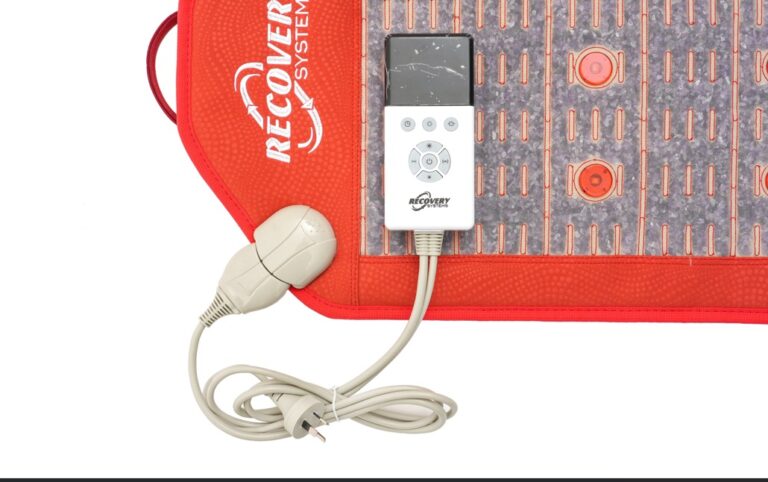
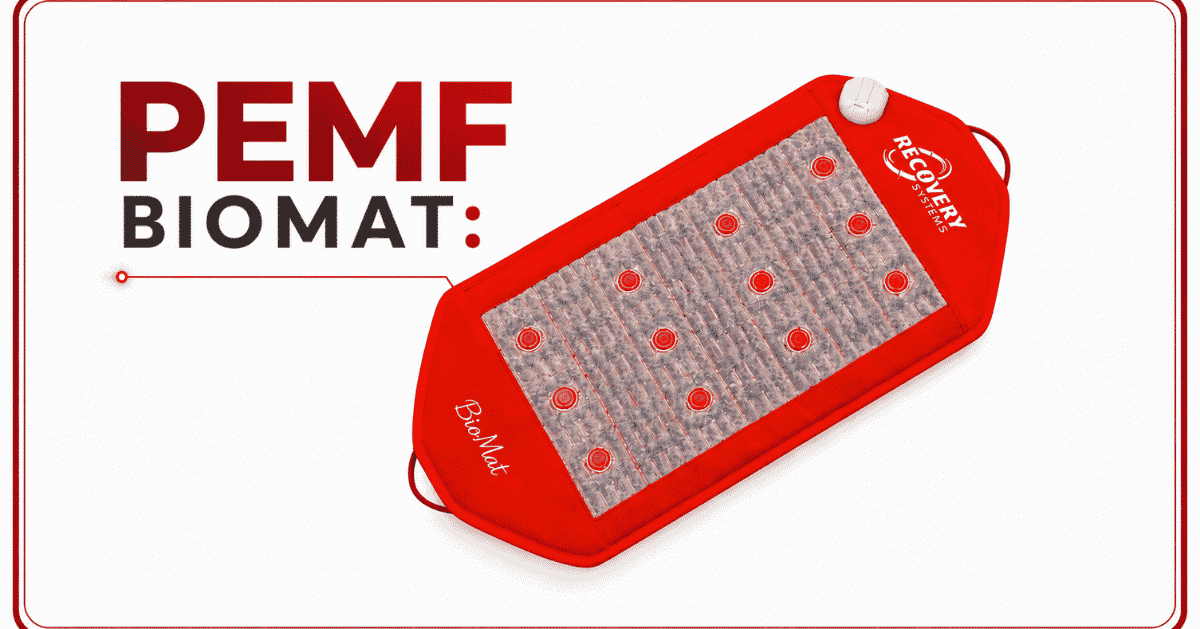
The Recovery Systems PEMF Bio Mat combines pulsed electromagnetic field therapy with far infrared heat, red light, and negative ion therapy in a single home-use system built for athletes, older adults, and anyone managing recovery.
Conclusion
PEMF is an FDA cleared therapy that has been used to support bone healing for more than 40 years. The strongest evidence supports its use for fractures that are slow to heal, postmenopausal osteoporosis, and reducing pain from osteoarthritis. While its benefits for simple fractures are less clear, research shows it can be a valuable addition to standard treatment. As with any medical therapy, it’s best to use PEMF under the guidance of a healthcare professional and choose devices with proven safety and regulatory approval.
Frequently Asked Questions
What Is PEMF Bone Healing?
PEMF bone healing is the use of pulsed electromagnetic fields to help broken bones repair faster and more completely. The device sends short, low-strength magnetic pulses through the skin into the bone. Those pulses create tiny electrical signals that tell bone cells to become more active. A 2024 review in Bioengineering explains that PEMF bone healing works by activating adenosine receptors on bone-building cells, which then triggers pathways that lay down new bone. It’s been FDA-cleared for non-union fractures since 1979.
What Is the Bone Healing Frequency Used in Clinical Devices?
The bone healing frequency in most FDA-cleared devices sits between 1 and 50 Hz, with 15 Hz being the classic setting. This bone healing frequency comes from Dr. Andrew Bassett’s original research at Columbia University in the 1970s. A 2024 review in Frontiers in Bioengineering and Biotechnology confirmed that the low bone healing frequency range is where most positive clinical evidence sits. Higher frequencies exist in experimental animal studies but aren’t standard in human care.
What Is the Best PEMF Frequency for Bone Healing?
The best PEMF frequency for bone healing is 15 Hz for repairing fractures, based on decades of clinical use and backed by a 2020 meta-analysis in Bioelectromagnetics covering 22 trials and 1,468 patients. For bone density support, protocols closer to 50 Hz at low intensity also work well, as shown in a 2025 rat study in the Journal of Biomedical Engineering. The PEMF frequency for bone healing should match the specific condition being treated rather than assuming one setting fits all.
Does PEMF Help Heal Broken Bones?
Yes, especially when a fracture is stuck and not healing on its own. A 2020 meta-analysis in Bioelectromagnetics looked at 22 trials with 1,468 patients. PEMF-treated fractures healed 79.7 percent of the time compared with 64.3 percent in the control group. It also lowered pain scores. For simple fractures that are already healing well, the extra benefit is smaller.
Does Vibration Speed Up Bone Healing?
Not really for active fractures. Whole-body vibration works through mechanical shaking, not electromagnetic signals. It’s more useful for maintaining bone density than repairing breaks. A 2025 network meta-analysis in Scientific Reports found vibration helped femoral neck bone density in postmenopausal women, but combined aerobic and resistance training worked better. For healing fractures, PEMF and ultrasound have stronger evidence.
What Device Speeds Up Bone Healing?
A few FDA-cleared devices are used in clinics. PEMF bone growth stimulators are the most established, cleared since 1979. Low-intensity pulsed ultrasound (LIPUS) is another. Electrical stimulators are also common. A 2025 network meta-analysis in Frontiers in Medicine compared seven of these across 39 trials and 2,379 patients. PEMF, laser, electrical, and ultrasound all helped. The best choice depends on your injury and what your doctor recommends.
What Frequency Heals Broken Bones?
Most FDA-cleared bone stimulators use frequencies between 1 and 50 Hz. The classic 15 Hz signal comes from Dr. Bassett’s work at Columbia University in the 1970s. A 2024 review in Frontiers in Bioengineering and Biotechnology confirmed this low-frequency range activates the cell signals that build bone. Higher frequencies are being tested in animals but aren’t used in mainstream human care yet.
What Frequency Is Best for Bone Healing?
For humans, the 1 to 50 Hz range works best based on clinical research. Within that range, 15 Hz has the longest track record for non-union fractures. For osteoporosis, protocols closer to 50 Hz at low intensity show good results, including a 2022 review in Bioelectromagnetics covering 19 trials in 1,303 postmenopausal patients. There isn’t one perfect frequency for everything. Different bone conditions respond to slightly different settings.
What Is the Best Frequency for Bone Repair?
Fracture repair and long-term bone density need slightly different settings. For repairing a broken bone, 15 Hz has the strongest evidence, backed by the 2020 Peng meta-analysis. For bone density support, the 8 to 50 Hz range works well, as shown in a 2025 rat study in the Journal of Biomedical Engineering using 50 Hz at 0.6 mT. Very high frequencies at low field strength aren’t ideal for building bone.
What Is the Right PEMF Frequency for Bone Healing at Home?
Home PEMF mats usually run in the same 1 to 50 Hz range as clinical devices, just at lower strength and for shorter sessions. That’s not the same dose as a prescription bone stimulator worn several hours daily for months. A 2024 mechanism review in Bioengineering explains that the specific signal pattern matters more than raw power. For a serious non-union, get a prescription device. For general bone support alongside diet and exercise, a home mat with clear frequency and intensity specs is a reasonable option.
Can PEMF Replace Surgery for Non-Union Fractures?
Sometimes yes, but not always. A 2026 multi-center study in Orthopedic Reviews followed 56 people with fifth metatarsal non-unions treated with PEMF. About 62 percent healed by four months, 75 percent by six months, and 91 percent by twelve months without needing surgery. Smoking slowed healing the most. It depends on the fracture location, stability, and patient factors. Always discuss it with an orthopedic surgeon before ruling out other treatments.
How Long Does It Take to See Results From PEMF?
It depends on what you’re treating. A 2026 meta-analysis in Medicina on knee osteoarthritis found pain improvements around 18 to 21 days. Non-union fractures take longer, with most healing between four and twelve months per the Adams 2026 data. Osteoporosis changes need several months of consistent use. PEMF isn’t a quick fix. Steady use over weeks or months is what shows real results.
Does PEMF Therapy Help With Osteoporosis and Bone Density?
Yes. The 2022 review in Bioelectromagnetics covered 19 trials with 1,303 postmenopausal women. Adding PEMF to standard medication improved lumbar and femoral bone density, boosted bone-building markers, and reduced pain. A 2023 study in the Journal of Tissue Engineering and Regenerative Medicine showed the mechanism, which involves activating the BMP/Smad4 pathway that tells bone cells to build. PEMF works best alongside weight-bearing exercise, calcium, and vitamin D, not in place of them.
Is PEMF Therapy Safe?
Yes, for most people. PEMF doesn’t heat tissue, involves no radiation, and has an excellent safety record in trials. The 2022 network meta-analysis in BMC Musculoskeletal Disorders noted a slightly higher rate of minor side effects like skin irritation, but nothing serious. Don’t use PEMF if you have a pacemaker, defibrillator, or other implanted electronic device, if you’re pregnant, or if you have active cancer at the treatment site. Check with your doctor first if any of these apply.
| MEDICALLY REVIEWED BY: Ayman Shafique, PharmD Ayman Shafique is a licensed pharmacist with expertise in pharmacology and medical writing. Her work focuses on reviewing and developing evidence-based health and wellness content, ensuring scientific accuracy, clarity, and alignment with current pharmaceutical research. She specialises in translating complex pharmacological and medical information into accessible, reliable content for public and professional audiences. |
| Medical Disclaimer This article is for informational and educational purposes only and should not be considered medical advice. The author is a recovery specialist, not a licensed medical doctor or healthcare provider. Health-related claims discussed in this article are based on emerging research and should not replace professional medical consultation. Many claims remain theoretical and require further scientific validation. Individual results may vary, and these concepts are not widely accepted as standard medical practice. Before using any PEMF therapy device or making health decisions based on this article, please consult a qualified healthcare professional — especially if you have pre-existing medical conditions, are pregnant, have implanted medical devices such as pacemakers, or are taking medications. Commercial Disclosure This website sells PEMF therapy products, including BioMat technology. The author and company have a commercial interest in promoting these products.If you are experiencing a mental health crisis or suicidal thoughts, contact your local emergency number immediately. In the United States, call or text 988. Internationally, see the International Association for Suicide Prevention directory. |
Originally Published::

Author:
Michael Lyons is a biohacking and recovery specialist with three decades of tech and Meditech experience and 15,000+ hours in endurance sports coaching.